
Top automated trading platforms for 2026
The market for automated crypto trading has matured significantly. In 2026, the most effective platforms are those that combine reliable execution with transparent fee structures and robust risk management tools. Rather than chasing abstract promises of guaranteed returns, traders should focus on platforms that offer concrete control over their strategies.
The leading contenders—Cryptohopper, 3Commas, and Pionex—each serve distinct trading styles. Cryptohopper excels in customization and AI-driven decision-making, making it suitable for traders who want to build complex, rule-based strategies. 3Commas is the preferred choice for those managing multiple exchanges, offering advanced DCA (Dollar Cost Averaging) bots and a terminal for executing trades across different platforms simultaneously. Pionex, on the other hand, provides a built-in exchange with 16 free trading bots, lowering the barrier to entry for beginners who want to automate without paying additional subscription fees.
Selecting the right bot depends on your experience level and the complexity of your strategy. Whether you are a beginner looking for simple grid trading or an experienced trader deploying sophisticated arbitrage algorithms, the right platform should feel like an extension of your own discipline, not a replacement for it.



As an Amazon Associate, we may earn from qualifying purchases.
How AI strategies change bot profitability
The shift from simple rule-based bots to AI-driven strategies marks a fundamental change in how automated platforms approach market volatility. Early generation bots relied on static technical indicators like moving averages or RSI thresholds. These rules function well in predictable trends but often fail during the erratic price swings that characterize the 2026 crypto landscape. AI crypto trading strategies introduce machine learning models that adapt to changing market conditions in real time.
Platforms like Cryptohopper have positioned themselves as leaders in this customizable AI space. By allowing users to submit hundreds of different trading strategies and then using machine learning to backtest and optimize them, these tools move beyond rigid automation. Similarly, 3Commas and Pionex integrate AI modules that scan market data to identify high-probability setups, rather than just reacting to past price action.
This adaptability matters for profitability because it reduces the need for constant manual intervention. While no AI strategy guarantees profits, the ability to learn from recent market behavior helps bots avoid the "whipsaw" effects that plague simple rule-based systems. The goal is repeatable, rule-based performance rather than lucky gains, turning trading into a more disciplined, data-driven process.
Comparing key features and security standards
Choosing a crypto trading bot requires evaluating three non-negotiable pillars: API security, exchange compatibility, and strategy specificity. A platform that supports Grid or DCA bots is useless if it lacks robust security protocols or does not integrate with your preferred exchange. You must match the bot's capabilities to your risk tolerance and trading volume.
Security and API Integrity
API keys are the gateway to your funds. Leading platforms like Cryptohopper and 3Commas enforce strict security standards, including read-only API permissions by default and two-factor authentication (2FA) for all account actions. This ensures that even if a bot malfunctions, it cannot withdraw your assets. Always verify that the platform supports IP whitelisting to restrict API access to specific server addresses.
Supported Exchanges and Connectivity
Liquidity dictates success. Ensure your bot connects to high-volume exchanges like Binance, Coinbase Pro, or Kraken. Lower-tier exchanges may have insufficient order book depth, causing slippage that erodes bot profits. Platforms such as Pionex offer built-in exchange integration, simplifying setup but potentially limiting your choice of trading pairs. Cross-exchange arbitrage bots require connections to at least two separate liquidity providers.
Bot Strategy Types
Different bots serve different market conditions. Grid bots thrive in sideways markets by buying low and selling high within a set range. Dollar-Cost Averaging (DCA) bots accumulate positions over time, smoothing out entry prices. Arbitrage bots exploit price differences between exchanges. Selecting the wrong strategy for the current market cycle can lead to rapid capital depletion.
| Platform | Security Features | Key Exchanges | Primary Strategies |
|---|---|---|---|
| Cryptohopper | Read-only API, 2FA, IP Whitelist | Binance, Coinbase Pro, Kraken | Grid, DCA, Arbitrage |
| 3Commas | API Key Encryption, 2FA, IP Whitelist | Binance, Bybit, KuCoin | GRID, DCA, Smart Trade Terminal |
| Pionex | Built-in Exchange Security, 2FA | Pionex Exchange (Built-in) | Grid Trading, DCA, Rebalancing |


As an Amazon Associate, we may earn from qualifying purchases.
Bot success depends on risk management, not just strategy
Automated trading systems operate in a high-stakes environment where execution speed and discipline determine outcomes more than market direction. Profitability in crypto trading bots is not a matter of luck; it is the result of repeatable, rule-based performance. Platforms like Cryptohopper, 3Commas, and Pionex provide the infrastructure for this consistency, but they cannot replace the trader’s responsibility for risk parameters.
A bot’s success is defined by its ability to adhere to predefined stop-losses and position sizing rules during volatility. Without these guardrails, automated strategies can amplify losses faster than human intervention typically allows. The goal is not to eliminate risk, but to manage it systematically through backtesting and real-time monitoring.
Are crypto trading bots successful?
Yes, crypto trading bots can be profitable, but only when users treat them as tools for executing a disciplined strategy rather than a source of passive income. Success rates vary significantly based on market conditions and the sophistication of the underlying algorithm. Platforms such as Cryptohopper offer grid trading features that thrive in sideways markets, while Pionex’s built-in bots are often preferred for their accessibility to beginners. However, no bot guarantees returns, and past performance is never indicative of future results.



As an Amazon Associate, we may earn from qualifying purchases.
Setting up your first automated trading strategy
Before deploying capital, configure your bot in a risk-free environment. Paper trading simulates live market conditions using real-time data but virtual funds. This allows you to validate your strategy and understand the platform’s interface without financial exposure. Platforms like Cryptohopper and 3Commas offer robust paper trading modes that mirror live execution.
Start by selecting a conservative strategy. Use established indicators such as moving averages or RSI rather than experimental algorithms. Define clear entry and exit rules. For example, set a stop-loss at 2% below your entry price to limit downside risk. This discipline prevents emotional decision-making during market volatility.
Once your parameters are set, run the bot in paper mode for at least one week. Monitor its performance against manual trades. If the bot consistently underperforms or exhibits erratic behavior, adjust your settings or switch platforms. Pionex, for instance, provides built-in grid trading bots that are easier to configure for beginners.
Only move to live trading after achieving consistent results in simulation. Start with a small allocation of capital. Treat the initial phase as a learning period, not a revenue generator. Regularly review trade logs to identify patterns and refine your approach.

Sign up for Cryptohopper, 3Commas, or Pionex. Navigate to the settings menu and enable the demo or paper trading account. This feature is usually free and requires no deposit.
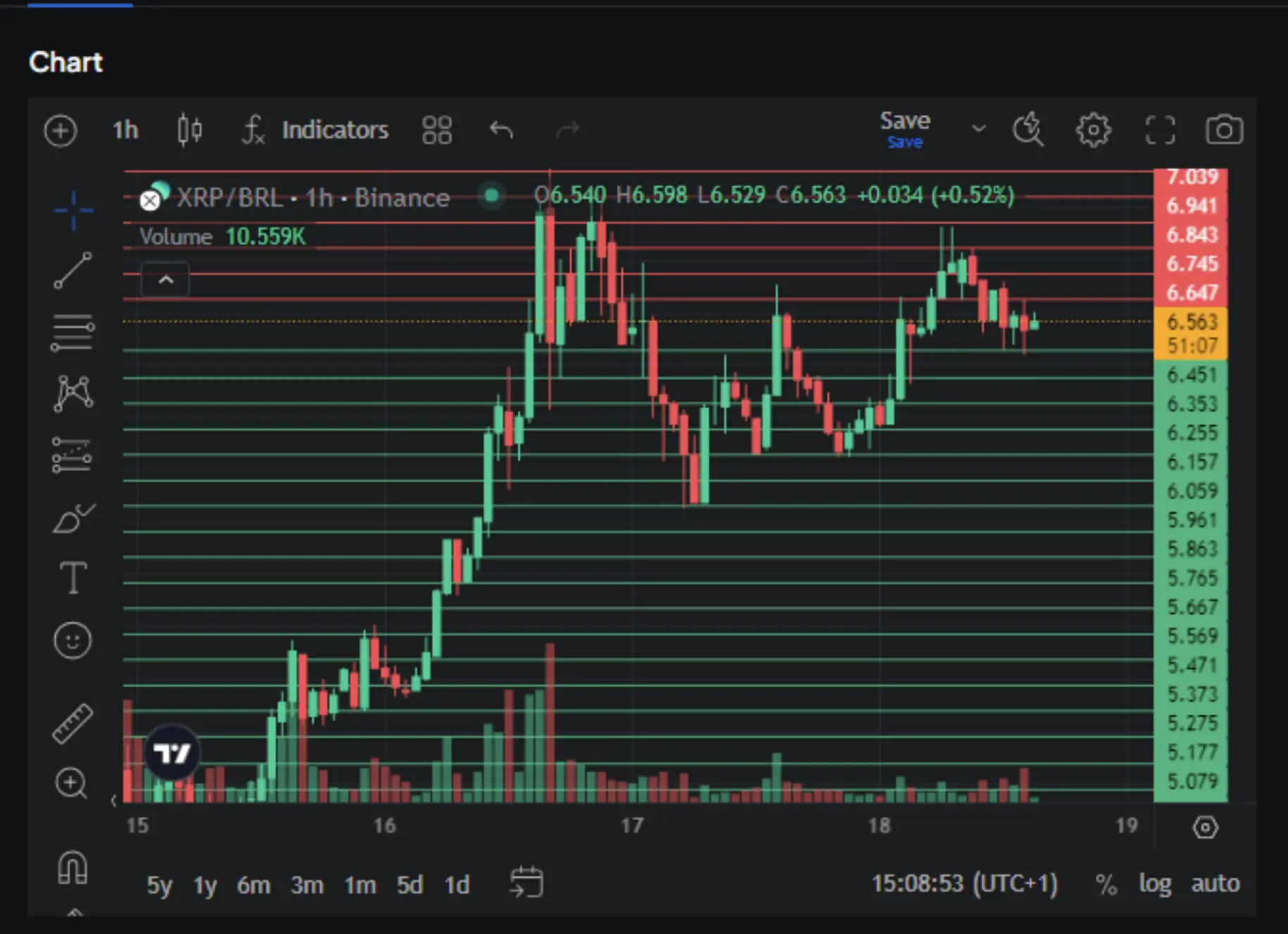
Link your exchange account (e.g., Binance, Coinbase) using read-only API keys. Ensure you disable withdrawal permissions to prevent unauthorized fund transfers. This step secures your assets while allowing the bot to execute trades.

Select a pre-built strategy or create a custom one. Set tight stop-losses and take-profit levels. Avoid high-leverage positions initially. Focus on low-volatility pairs like BTC/USDT to minimize risk during the testing phase.

Run the bot for one week. Analyze the trade history for consistency. Adjust parameters if the bot deviates from your risk tolerance. Once stable, you can proceed to live trading with a small initial investment.
No comments yet. Be the first to share your thoughts!