
5 Best Crypto Trading Bots 2026: AI Automation Compared
In 2026, algorithmic execution demands precision over speculation. This comparison evaluates five leading crypto trading bots based on concrete AI automation features, including GRID strategies, DCA mechanisms, and signal integration. Verify current capabilities and pricing directly on each platform.
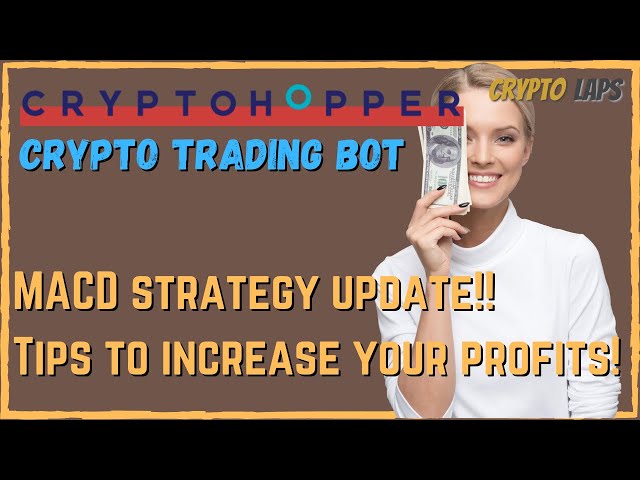
1. Cryptohopper: Best for strategy customization
Cryptohopper serves as a modular command center, allowing traders to stitch together custom algorithms without coding. Users can backtest strategies against historical data before deploying them live, ensuring logic holds under pressure. The platform supports multiple exchanges, enabling unified management of diverse portfolios. Its template marketplace offers pre-built strategies for immediate implementation.
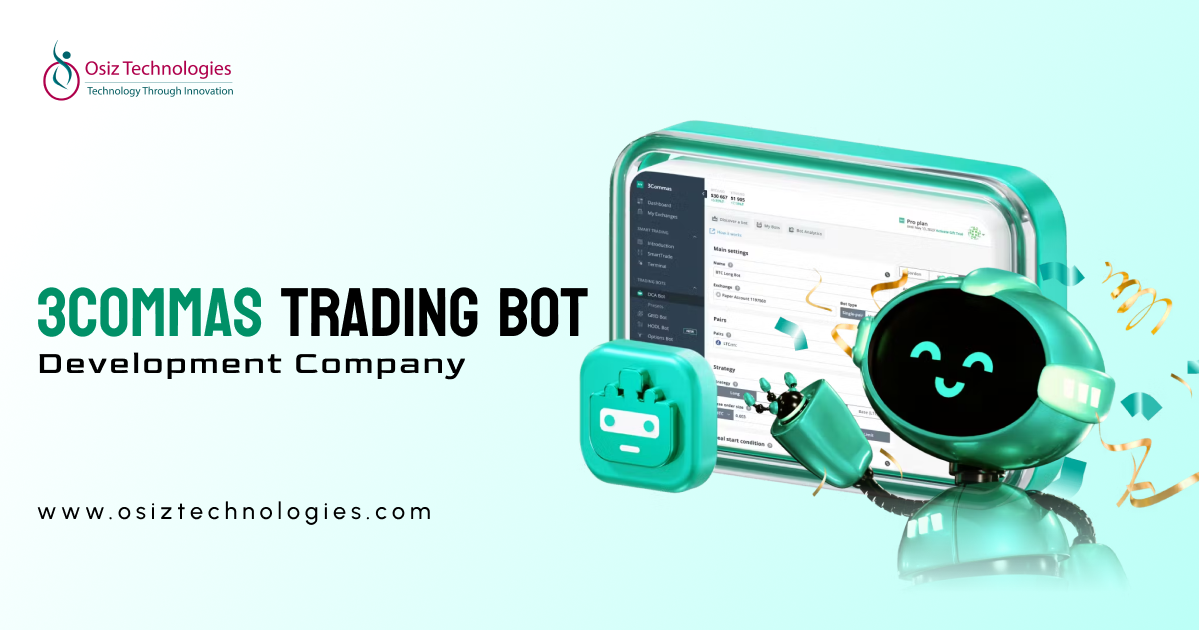
2. 3Commas: Best for advanced portfolio management
3Commas functions as a sophisticated dashboard for managing complex trading operations across multiple venues. It excels in DCA bot configurations, allowing users to set precise entry and exit parameters for volatile assets. The terminal interface aggregates real-time data, providing a consolidated view of open positions and performance metrics. This centralization reduces the cognitive load of monitoring disparate exchanges simultaneously.
3. Bitsgap: Best for grid trading automation
Bitsgap specializes in grid trading, creating automated buy-low-sell-high loops within defined price ranges. This approach capitalizes on market volatility by executing frequent small trades rather than waiting for major trends. The platform offers a unified interface for both spot and futures grid bots, simplifying risk management. Users can adjust grid density and price bounds dynamically as market conditions shift.

4. Pionex: Best built-in exchange bots
Pionex integrates trading bots directly into its exchange infrastructure, eliminating the need for external API keys. This native integration reduces latency and simplifies setup for beginners who want to deploy strategies instantly. The platform offers ten free built-in bots, including arbitrage and rebalancing tools, accessible with a single click. This all-in-one approach lowers the technical barrier to entry for automated trading.

5. TradeSanta: Best for simple AI automation
TradeSanta prioritizes ease of use, offering a streamlined interface for deploying AI-driven trading strategies. Users can configure basic parameters for long or short positions without navigating complex technical menus. The platform’s AI features assist in optimizing trade timing based on market sentiment analysis. This simplicity makes it an effective tool for traders seeking automated execution without extensive customization.
How we picked the best bots
We evaluated crypto trading bots based on concrete capabilities rather than marketing claims. The selection process focused on four pillars: AI signal accuracy, security infrastructure, fee transparency, and strategy flexibility.
AI Capabilities We prioritized bots that offer verifiable algorithmic intelligence. This includes features like Cryptohopper’s Market Intelligence or 3Commas’ AI-enhanced signals. We excluded platforms that merely offer basic grid bots without adaptive logic. The goal was to identify tools that can adjust to market volatility in real-time.
Security and Infrastructure Security is non-negotiable. We reviewed API key permissions, ensuring bots use read-only or trade-only keys to protect user funds. We also assessed the platform’s track record for uptime and data encryption. Bots with a history of security breaches or opaque custody solutions were disqualified.
Fee Structure Transparency in pricing was a key differentiator. We analyzed subscription models, transaction fees, and hidden costs. Bots with clear, flat-rate pricing or transparent tiered structures were favored over those with complex, usage-based fee models that erode profits.
Strategy Flexibility The best bots support multiple strategies, such as GRID, DCA, and LOOP bots, as noted by Bitsgap. We looked for platforms that allow users to combine strategies (e.g., COMBO bots) and customize parameters. Flexibility ensures the bot can adapt to both bull and bear markets.
Feature and Fee Comparison
Selecting a trading bot requires aligning its technical capabilities with your budget and exchange preferences. The following table compares five leading platforms on pricing structure, supported exchanges, and primary bot types. Prices and feature availability change frequently; always verify current details on the provider's official site before committing capital.
| Platform | Pricing Model | Supported Exchanges | Primary Bot Types |
|---|---|---|---|
| Cryptohopper | Monthly subscription (check site) | Binance, Coinbase, Kraken, KuCoin | AI Signals, Grid, DCA |
| 3Commas | Tiered subscription (check site) | Binance, Kraken, Bitfinex, KuCoin | Smart Trade, DCA, Grid |
| Bitsgap | Subscription based on capital (check site) | Binance, Coinbase Pro, Kraken, Bitfinex | GRID, LOOP, COMBO |
| Pionex | Low trading fees (check site) | Pionex internal exchange | 16 Built-in Bots (Grid, DCA, Rebalancing) |
| TradeSanta | Monthly subscription (check site) | Binance, Coinbase Pro, Kraken, Bitfinex | Grid, DCA, AI Assistant |
Cryptohopper and 3Commas offer extensive exchange integrations, making them suitable for traders who operate across multiple venues. Bitsgap specializes in GRID and COMBO strategies, while Pionex provides built-in bots directly on its exchange, reducing the need for API key management. TradeSanta focuses on simplicity with essential grid and DCA tools.
Setting up your first trading bot
Connecting a bot to an exchange requires precise configuration. A single error in API permissions can expose your portfolio to unauthorized trades. Follow these steps to establish a secure connection, select a strategy, and validate performance in a risk-free environment.
Generate API keys directly from your exchange’s security dashboard. Ensure you enable "Spot Trading" permissions but strictly disable "Withdrawals." This prevents the bot from moving funds out of your account, even if the connection is compromised. Verify the IP whitelist if your exchange supports it.

Choose a strategy that matches current market conditions. For sideways markets, a GRID bot captures profit from price fluctuations. In trending markets, a DCA (Dollar Cost Averaging) bot accumulates positions on dips. Bitsgap’s LOOP bot combines these for automated spot trading, while futures traders may prefer a COMBO bot that integrates GRID and DCA logic for more complex leverage management.

Set hard stop-losses and position sizing limits before activating the bot. Determine the maximum percentage of your portfolio allocated to a single bot instance. This discipline prevents algorithmic errors or black swan events from liquidating your entire balance. Define your entry and exit thresholds based on technical indicators rather than intuition.

Run your configuration in a paper trading or demo environment for at least one week. Observe how the bot handles volatility, slippage, and exchange downtime. Verify that the execution speed matches your expectations and that the strategy logic holds up under stress. Only move to live capital once the demo results align with your risk parameters.
A successful launch depends on rigorous testing, not just setup. Treat the demo phase as a stress test for your risk management framework. Once validated, you can transition to live trading with controlled exposure.
Helpful gear
Use these product recommendations as a starting point, then choose the size, material, and price point that fit how you actually use the gear.
![The Crypto Millionaire Bible: [5 in 1] How to Easily Make Life-Changing Money in The Next Big 2025-2026 Bull Run with Smart Investing and Trading Any Cryptocurrency (Altcoins, Meme, NFT, Airdrops)](https://m.media-amazon.com/images/I/61K1jz+cWtL._AC_UY654_QL65_.jpg)


As an Amazon Associate, we may earn from qualifying purchases.
No comments yet. Be the first to share your thoughts!