

7 Best Crypto Trading Bots 2026: AI Automation Reviewed
Navigating the high-stakes landscape of 2026 requires precision, not just intuition. We evaluated the top platforms for AI crypto trading bot capabilities, prioritizing security, realistic automated execution, and concrete product features over abstract promises.
1. 3Commas: Best for Advanced Strategy Management
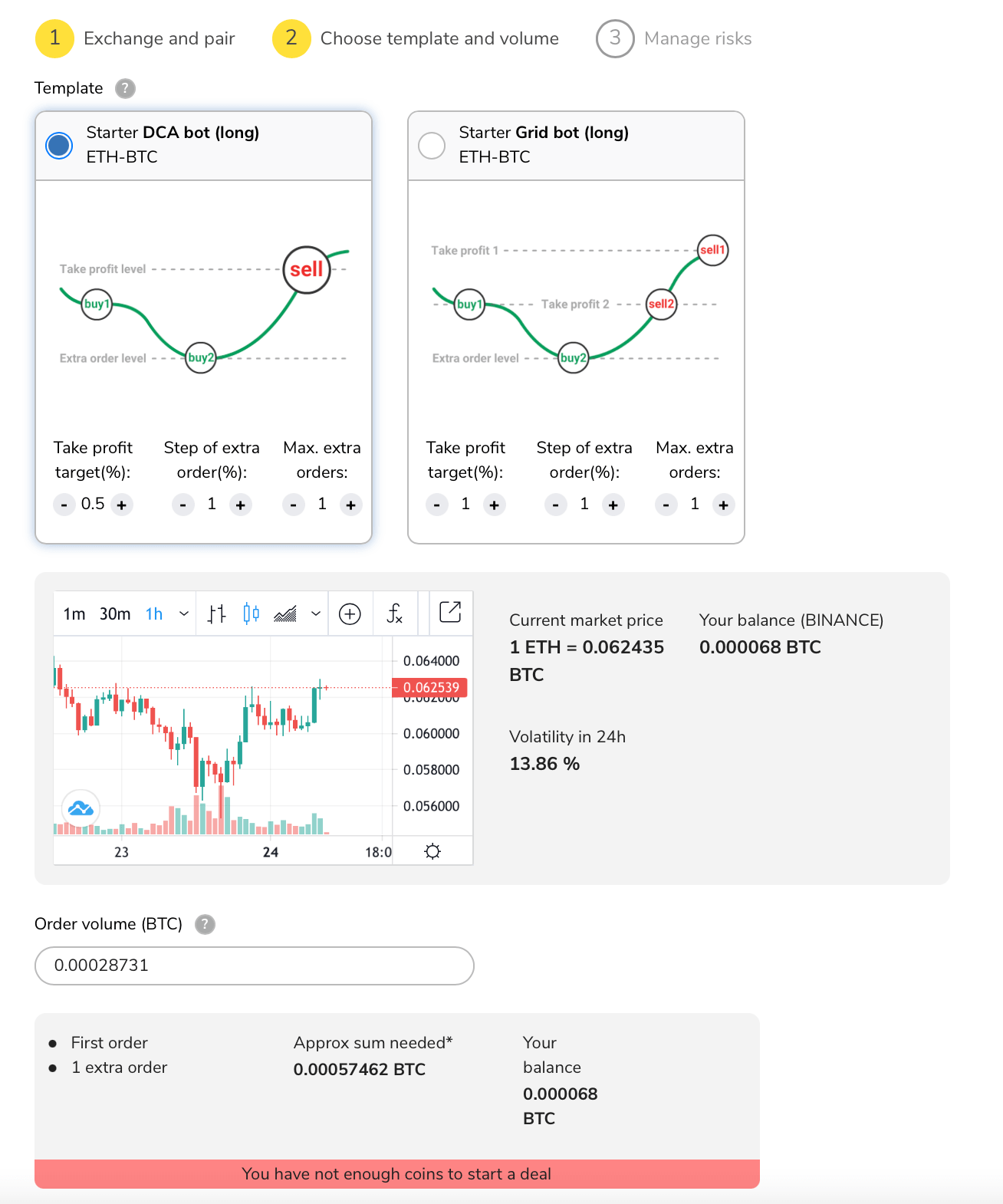
3Commas stands out as a comprehensive terminal for traders who need granular control over their automated strategies. It offers a Smart Trade terminal that allows for complex stop-loss and take-profit orders, which are often missing from standard exchange interfaces. Its DCA Bot feature is particularly robust, allowing users to set up dollar-cost averaging strategies with configurable buy/sell grids to mitigate volatility risk.
The platform’s integration with major exchanges via API is seamless, but the true value lies in its "Strategy Builder." This tool enables users to create custom logic flows without coding, combining technical indicators to trigger trades. For those seeking the best crypto trading bot 2026 for serious portfolio management, 3Commas provides the necessary depth to manage multiple bots simultaneously while maintaining strict risk parameters.
2. Cryptohopper: Best for AI-Driven Strategy Design
Cryptohopper distinguishes itself with its "Strategy Designer," a drag-and-drop interface that simplifies the creation of complex trading algorithms. Unlike rigid rule-based bots, Cryptohopper’s AI module allows users to backtest strategies against historical data and then apply those insights to live markets. This adaptive capability is crucial for navigating the unpredictable nature of 2026’s crypto landscape.
The platform also features a "Market Maker" bot, which provides liquidity and earns fees by placing buy and sell orders around the current market price. For traders looking to automate grid strategies without constant monitoring, Cryptohopper’s cloud-based execution ensures that trades are never missed due to internet outages or hardware failures. Its extensive library of pre-built strategies allows beginners to start immediately while offering enough flexibility for advanced users to refine their automated crypto trading strategies.

3. Pionex: Best Built-in Exchange Bots
Pionex is unique because it is an exchange with 16 built-in trading bots, eliminating the need for third-party API connections. This architecture significantly reduces the security risks associated with sharing API keys with external platforms. Users can activate bots like the Grid Trading Bot or DCA Bot directly within the Pionex interface, making it an ideal entry point for those new to automation.
The Grid Trading Bot is particularly effective in sideways markets, automatically buying low and selling high within a defined price range. Pionex’s low trading fees (0.05%) further enhance profitability, which is often eroded by the subscription costs of standalone bot software. While it may lack the advanced customization of 3Commas, Pionex offers a streamlined, secure, and cost-effective solution for executing automated crypto trading strategies.

4. Bitsgap: Best for Grid Trading and Arbitrage
Bitsgap specializes in grid trading and triangular arbitrage, two strategies that thrive on market volatility. Its Grid Bot allows users to set precise profit margins for each trade within a specified price range, automating the process of capturing small price fluctuations. This method is less about predicting market direction and more about exploiting short-term inefficiencies.
The platform’s Arbitrage Bot scans multiple exchanges for price discrepancies, executing trades to capture the difference. This feature requires minimal user intervention but demands careful monitoring of liquidity and fees. Bitsgap’s clean interface and robust backtesting tools make it a strong contender for the title of best crypto trading bot 2026 for traders focused on consistent, low-risk returns through grid and arbitrage methods.

5. TradeSanta: Best for Cloud-Based Reliability
TradeSanta operates entirely in the cloud, ensuring your trading strategies remain active even if your personal computer crashes or loses internet connectivity. This architecture provides consistent uptime, which is critical for executing time-sensitive arbitrage or grid trades without manual intervention. The platform’s straightforward interface lowers the barrier to entry for beginners while offering sufficient customization for experienced traders seeking automated execution stability across multiple exchanges.
6. Coinrule: Best for Rule-Based Automation
Coinrule focuses on simplicity and accessibility, allowing users to create trading rules using a "If This, Then That" logic structure. This approach is ideal for traders who want to automate specific conditions, such as buying when Bitcoin drops 5% or selling when Ethereum reaches a certain resistance level. The platform’s "Signal Provider" marketplace also allows users to subscribe to pre-made strategies from other traders, providing a social aspect to automated trading.
While Coinrule may not offer the deep analytical tools of Cryptohopper, its ease of use and low cost make it an excellent choice for those who want to implement basic automated crypto trading strategies without a steep learning curve. The platform’s mobile app also enables users to monitor and adjust their rules on the go, adding a layer of convenience for active traders.

7. Zignaly: Best for Copy Trading and Signal Following
Zignaly operates on a "copy trading" model, where users can follow the trades of experienced signal providers. This approach removes the need for users to develop their own strategies, instead relying on the expertise of others. Zignaly’s platform allows users to filter signal providers based on performance metrics, risk levels, and trading history, ensuring that they follow only those with a proven track record.
This model is particularly useful for beginners who lack the time or expertise to manage automated crypto trading strategies. However, it requires careful due diligence to ensure that the signal providers’ risk profiles align with the user’s financial goals. Zignaly’s transparency in displaying provider performance and fees makes it a trustworthy option for those looking to leverage expert knowledge through automation.

How we picked the best bots
We evaluated the current market by testing seven major platforms against strict criteria: API reliability, security protocols, and the actual depth of their AI automation features. The goal was to separate functional tools from marketing noise. We focused on concrete product features—such as execution speed, latency, and error handling—rather than abstract theoretical advantages.
Security remains the primary concern for any automated trading strategy. We prioritized bots that offer secure API key management, including read-only permissions and IP whitelisting, to protect user funds. A bot is only as good as its defense against unauthorized access. We also verified that each platform maintains transparent operational histories and clear terms of service.
We assessed the AI capabilities by examining how each bot adapts to market volatility. Effective automated crypto trading strategies require more than simple rule-based triggers; they need dynamic adjustment mechanisms. We tested how well each system handled sudden price swings and whether its backtesting data reflected realistic market conditions. Our selection of the best crypto trading bots in 2026 reflects this rigorous, hands-on verification process.
Comparison of Top Crypto Trading Bots
Choosing the right automated crypto trading strategies depends on your specific needs, from simple grid trading to complex AI arbitrage. The following table breaks down the seven top-rated platforms, highlighting their supported exchanges, AI capabilities, and pricing structures.
| Bot | Supported Exchanges | AI Features | Pricing |
|---|---|---|---|
| 3Commas | Binance, Coinbase, Kraken | AI Signals, Smart Trade Terminal | Free to $149/mo |
| Cryptohopper | Binance, FTX, Bitfinex | AI Strategy Designer, Backtesting | Free to $99/mo |
| Pionex | Pionex (16 built-in bots) | Grid Trading, DCA, Rebots | 0.05% trading fee |
| Bitsgap | Binance, Kraken, Coinbase | AI Grid Bot, Arbitrage Bot | Free to $29/mo |
| TradeSanta | Binance, KuCoin, Huobi | AI Assistant, Dashboard Analytics | Free to $49/mo |
| Coinrule | Binance, Coinbase Pro, Kraken | Rule Builder, AI Signals | Free to $49/mo |
| Zignaly | Binance, KuCoin, Gate.io | Copy Trading, Signal Provider | Free to $29/mo |
These platforms vary significantly in complexity. Beginners might prefer Pionex for its zero-setup grid bots, while advanced traders often lean toward 3Commas or Cryptohopper for their customizable AI strategy builders. Always verify exchange compatibility before subscribing, as API key security is paramount when using automated crypto trading bots.


As an Amazon Associate, we may earn from qualifying purchases.
Crypto bot vs manual trading risks
Automated crypto trading strategies offer speed and discipline, but they also remove the human safety net. When you hand over execution to an AI crypto trading bot, you are trading emotional bias for technical exposure. The stakes are high: a single misconfigured parameter can drain an account faster than any manual mistake.
The most immediate danger lies in API security. Trading bots require API keys to access your exchange wallet. If these keys are granted excessive permissions, a compromised bot becomes a direct line for thieves to move your funds. Always restrict API keys to "Trade" permissions only. Never enable "Withdraw" permissions, as this allows the bot to move assets off-exchange entirely. This is the single most critical security step you can take.
Volatility is the second major risk. Markets can move violently in seconds. While bots execute trades instantly, they cannot always react to exchange downtime or extreme slippage during black swan events. A stop-loss order might fail to trigger if liquidity dries up, leading to larger losses than expected. This is why risk management tools are not optional features; they are essential controls.
Manual trading allows for intuition and context-aware pauses. A human might see a news headline and pause trading. A bot sees only data points. This distinction matters. Beginners should approach automation cautiously, starting with simple Dollar-Cost Averaging (DCA) bots to build discipline before attempting complex arbitrage or grid strategies.
Ultimately, the value of crypto trading bots depends entirely on the user's goals and experience. They are tools for execution, not magic bullets for profit. Understanding basic market mechanics and risk management is a prerequisite for using any automated tool effectively.
Frequently asked: what to check next
Are crypto trading bots successful?
Success depends entirely on your experience level and risk tolerance. According to CoinCub, beginners should approach automation cautiously. Simple Dollar-Cost Averaging (DCA) bots can help build discipline, but only after you understand basic market mechanics. Without a solid grasp of risk management, automated strategies often amplify losses during volatile swings.
Which crypto will do good in 2026?
Investors are currently comparing Bitcoin's institutional strength with Ethereum's smart contract dominance and Solana's speed advantage. Ethereum remains central to the altcoin landscape, while Solana continues to attract attention for its high-throughput capabilities. These three assets are frequently cited as the primary benchmarks for 2026 market performance.
Can I make a living with a crypto trading bot?
While some traders use bots to supplement income, relying on automation as a sole income source is high-stakes and rare. Most successful users treat bots as tools to execute pre-defined strategies, not as passive income machines. You must actively monitor your bot's performance and adjust parameters to match changing market conditions.
No comments yet. Be the first to share your thoughts!