

In the volatile world of Solana memecoin trading, where hype cycles ignite and fizzle in hours, projects like wom. fun promise a new frontier: sentiment-driven AI trading agents trained on over 4 million tweets paired with corresponding price action. With Solana's native token hovering at $83.74 after a slight 24-hour dip of -0.008290%, developers claim these autonomous bots represent the first true sentiment AI trading agents on the chain. But as someone who has dissected countless algorithmic strategies, I approach such bold assertions with rigorous skepticism. Extraordinary dataset sizes do not guarantee profitable edges without proven backtesting across multiple market regimes.
Sentiment Analysis Mechanics in Crypto Trading
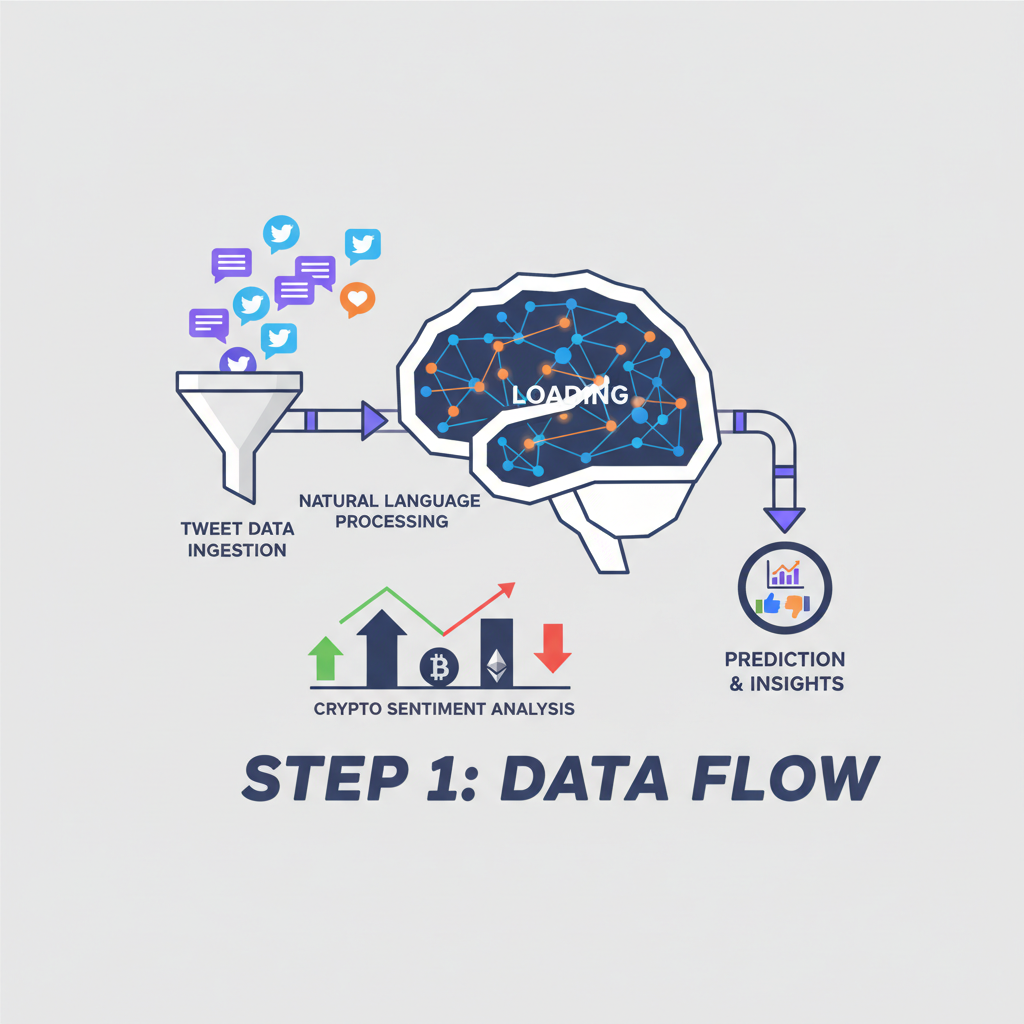
Sentiment-driven trading hinges on natural language processing (NLP) techniques to quantify social media buzz, particularly from platforms like X (formerly Twitter), and map it to asset price movements. These wom. fun agents purportedly ingest tweet volumes, sentiment polarity scores, and velocity metrics, then execute trades via Solana's high-throughput blockchain. Models likely employ transformer-based architectures, fine-tuned on labeled datasets where positive/negative sentiment precedes pumps or dumps in memecoins.
Yet, the math reveals pitfalls. Correlation between tweet sentiment and price action often peaks at spurious levels during bull runs but crumbles in sideways or bear markets. Historical studies on Bitcoin show sentiment signals adding marginal alpha only when combined with on-chain metrics like volume and wallet activity. Without disclosed model architectures or Sharpe ratios from out-of-sample tests, these agents risk being glorified Twitter bots, as one Reddit user aptly dismissed similar projects.
Dissecting the 4 Million Tweet Training Dataset
A dataset of 4 million tweets sounds impressive, but quality trumps quantity in machine learning for trading. wom. fun pairs this social data with price action, enabling supervised learning where agents learn to predict short-term memecoin surges from sentiment shifts. Assume a temporal alignment: tweets timestamped within 15-minute windows against DEX price feeds like Raydium or Jupiter on Solana.
Technical scrutiny raises flags. Tweet data is noisy; bots, shills, and coordinated pumps distort signals. Preprocessing must filter multilingual noise, sarcasm, and emojis via advanced tokenizers like BERT variants. Moreover, survivorship bias looms if the dataset cherry-picks viral memecoins while ignoring rug pulls. Rigorous validation demands walk-forward optimization, not just in-sample accuracy. Early signals from wom. fun suggest consistent performance, but without public backtests or GitHub repos like open-sourced trading agents from Moon Dev, trust remains provisional.
Compare to peers: SYNAPSE integrates DeepSeek and GPT-4 for real-time analysis, while JENNA adapts strategies dynamically. wom. fun's swarm approach, trading memecoins autonomously on sentiment, positions it as a contender in AI trading agents on Solana, but extraordinary claims demand mathematical proof.
Solana (SOL) Price Prediction 2027-2032
Long-term forecasts amid sentiment-driven AI trading agent launches and blockchain AI integrations
| Year | Minimum Price | Average Price | Maximum Price | YoY Growth % (Avg) |
|---|---|---|---|---|
| 2027 | $110.00 | $165.00 | $280.00 | N/A |
| 2028 | $190.00 | $320.00 | $550.00 | 94% |
| 2029 | $280.00 | $480.00 | $850.00 | 50% |
| 2030 | $380.00 | $650.00 | $1,100.00 | 35% |
| 2031 | $500.00 | $820.00 | $1,400.00 | 26% |
| 2032 | $650.00 | $1,050.00 | $1,800.00 | 28% |
Price Prediction Summary
Solana's price is projected to experience substantial growth from 2027 to 2032, driven by AI agent innovations and market cycles, with average prices potentially reaching $1,050 by 2032 in a bullish scenario, representing over 12x growth from current levels around $84. Bearish mins account for potential downturns, while maxes reflect peak bull runs.
Key Factors Affecting Solana Price
- Advancements in sentiment-driven AI trading agents (e.g., SYNAPSE, JENNA) trained on millions of tweets boosting on-chain activity
- Upcoming Bitcoin halving in 2028 fueling broader market bull cycle
- Solana's technological upgrades improving scalability and attracting DeFi/meme ecosystems
- Regulatory developments providing clarity or risks
- Competition from other L1s like Ethereum L2s and emerging AI-focused chains
- Macro adoption trends in Web3 automation and AI-blockchain convergence
Disclaimer: Cryptocurrency price predictions are speculative and based on current market analysis. Actual prices may vary significantly due to market volatility, regulatory changes, and other factors. Always do your own research before making investment decisions.
Solana's Infrastructure Edge for Autonomous Bots
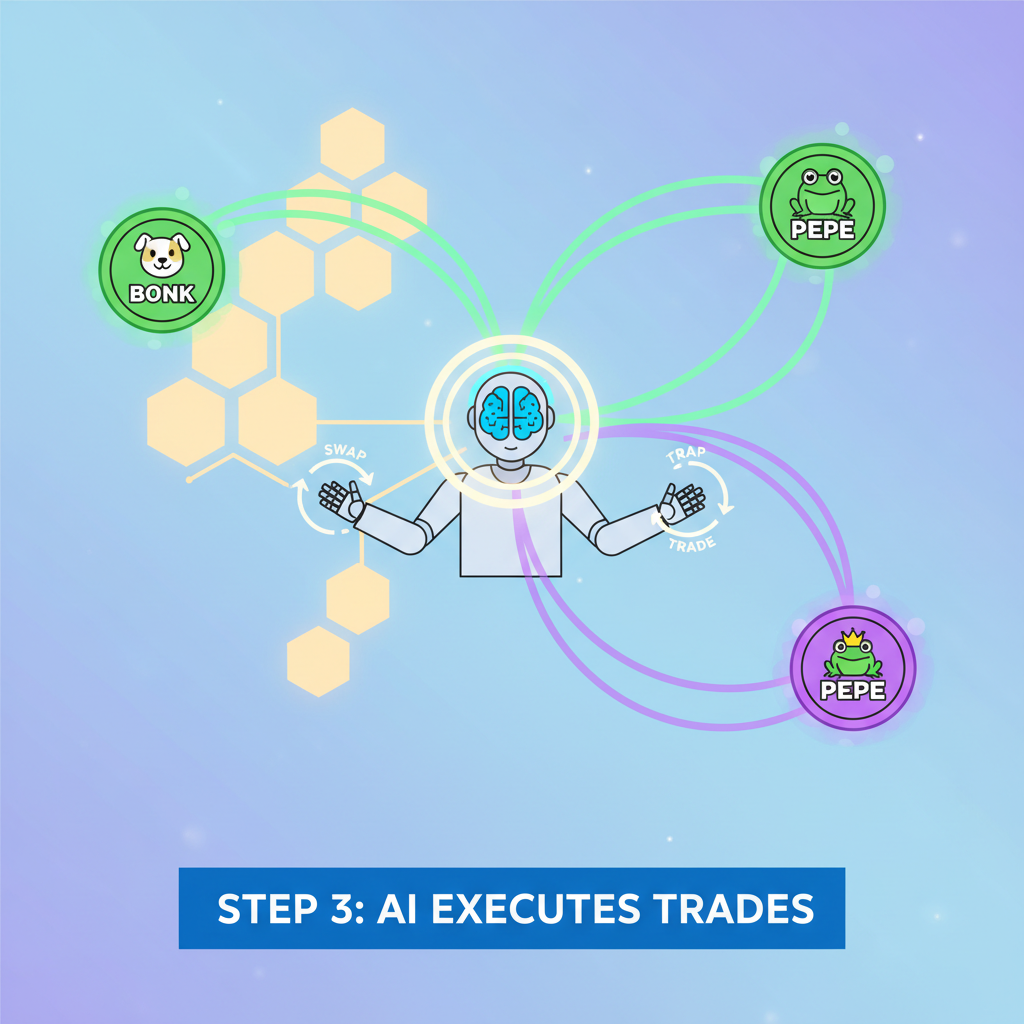
Solana's sub-second finality and fees under $0.001 make it ideal for high-frequency, sentiment-triggered trades. These agents monitor tweet streams via APIs, compute sentiment scores in real-time using lightweight models on edge compute, then atomically swap via Solana programs. No human oversight means 24/7 operation, dodging the pitfalls seen in incidents like the OpenAI dev's bot accidentally dumping $250,000 in memecoin tokens.
Implementation likely leverages Rust smart contracts for on-chain execution, with off-chain oracles feeding sentiment data. Skeptically, autonomy amplifies risks: flash crashes from herd behavior or oracle failures. Backtesting must simulate network congestion, as Solana outages have historically erased edges. At $83.74, SOL's stability supports such deployments, but agents must prove resilience beyond hype.
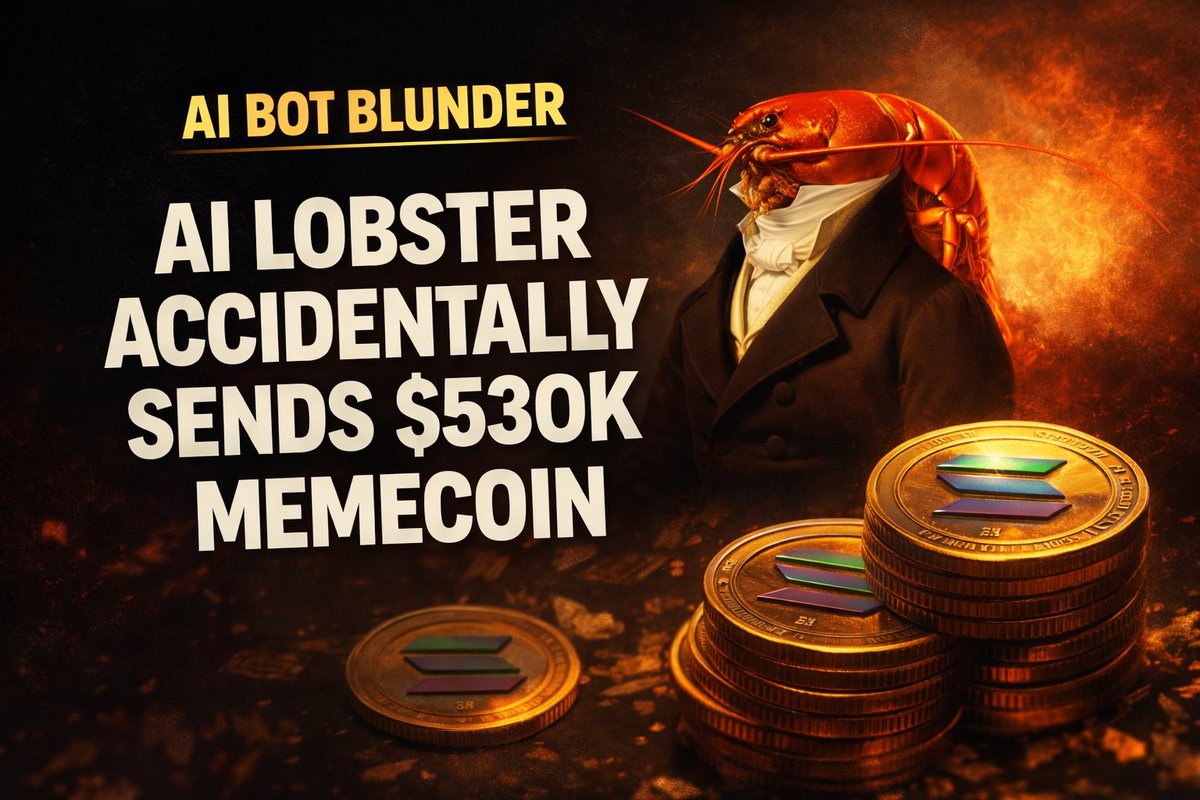
Real-world deployments underscore these vulnerabilities. An OpenAI engineer's bot, Lobstar Wilde, 'accidentally' transferred its entire memecoin holdings to a stranger on X, highlighting how unchecked autonomy can lead to catastrophic losses. Such incidents question the maturity of autonomous Solana trading bots, where sentiment signals might trigger erroneous trades amid noisy data.
Pros and Cons of Sentiment AI Trading on Solana
Pros & Cons of Tweet AI Traders
- Pro: Real-Time Sentiment Analysis - Trained on 4M tweets correlated to Solana memecoin price action, enabling rapid detection of hype shifts via wom.fun-style models.
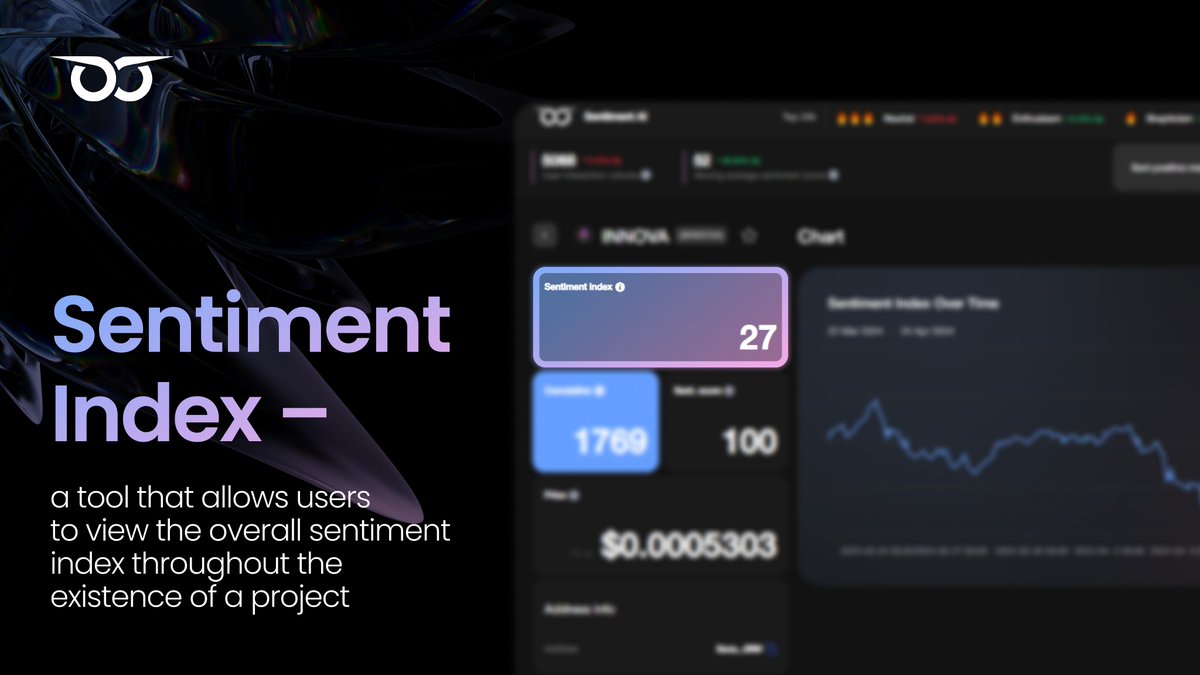
- Pro: 24/7 Autonomous Execution - Leverages Solana's low-latency ($83.74 SOL) for continuous trading without human oversight, as in SYNAPSE and JENNA agents.

- Pro: Data Scale Advantage - Vast tweet datasets provide statistical edge over manual analysis, integrating models like DeepSeek and GPT-4.

- Con: Unproven Profitability - No audited long-term returns; Solana memecoin volatility (-0.008290% 24h) undermines claims amid hype.
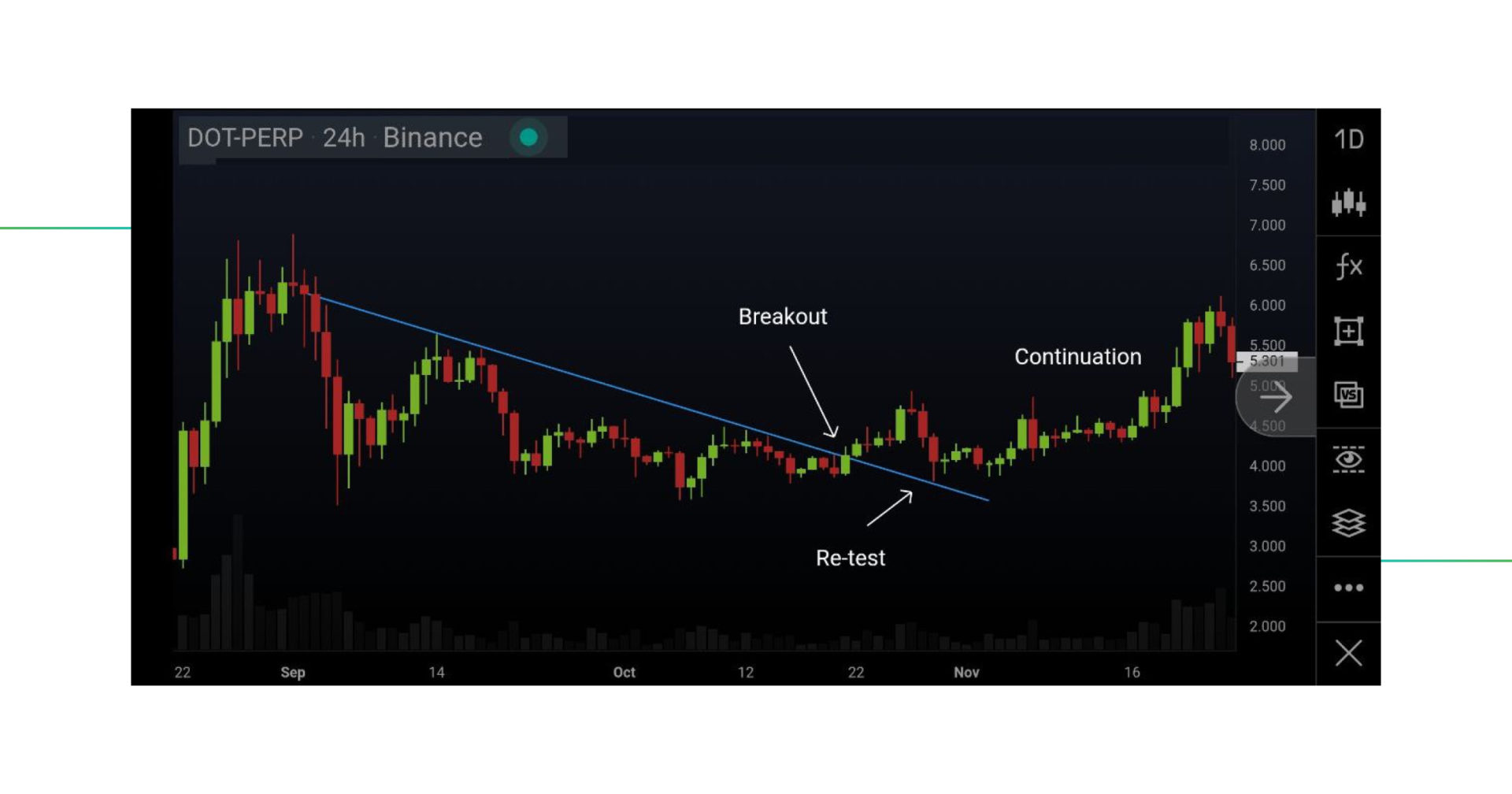
- Con: AI Error Proneness - Incidents like Lobstar Wilde's $250,000 accidental transfer highlight reliability gaps in autonomous agents.
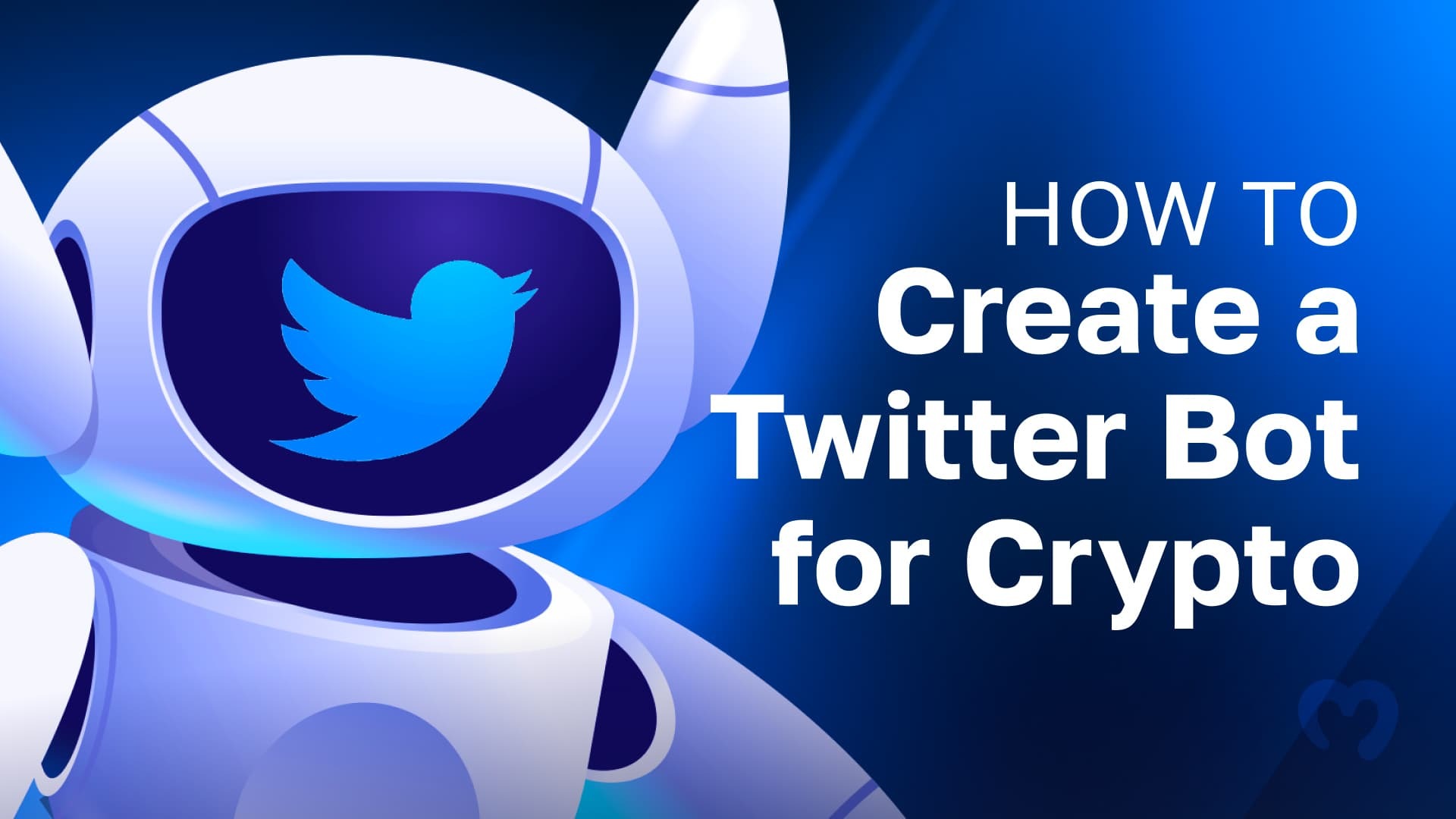
- Con: Model Oversimplification - Criticized as 'glorified Twitter bots' (Reddit); lacks true adaptability for memecoin unpredictability.
- Con: Reversal Risk - Sentiment flips erode gains; historical tweet-price links fail in pump-dump schemes.
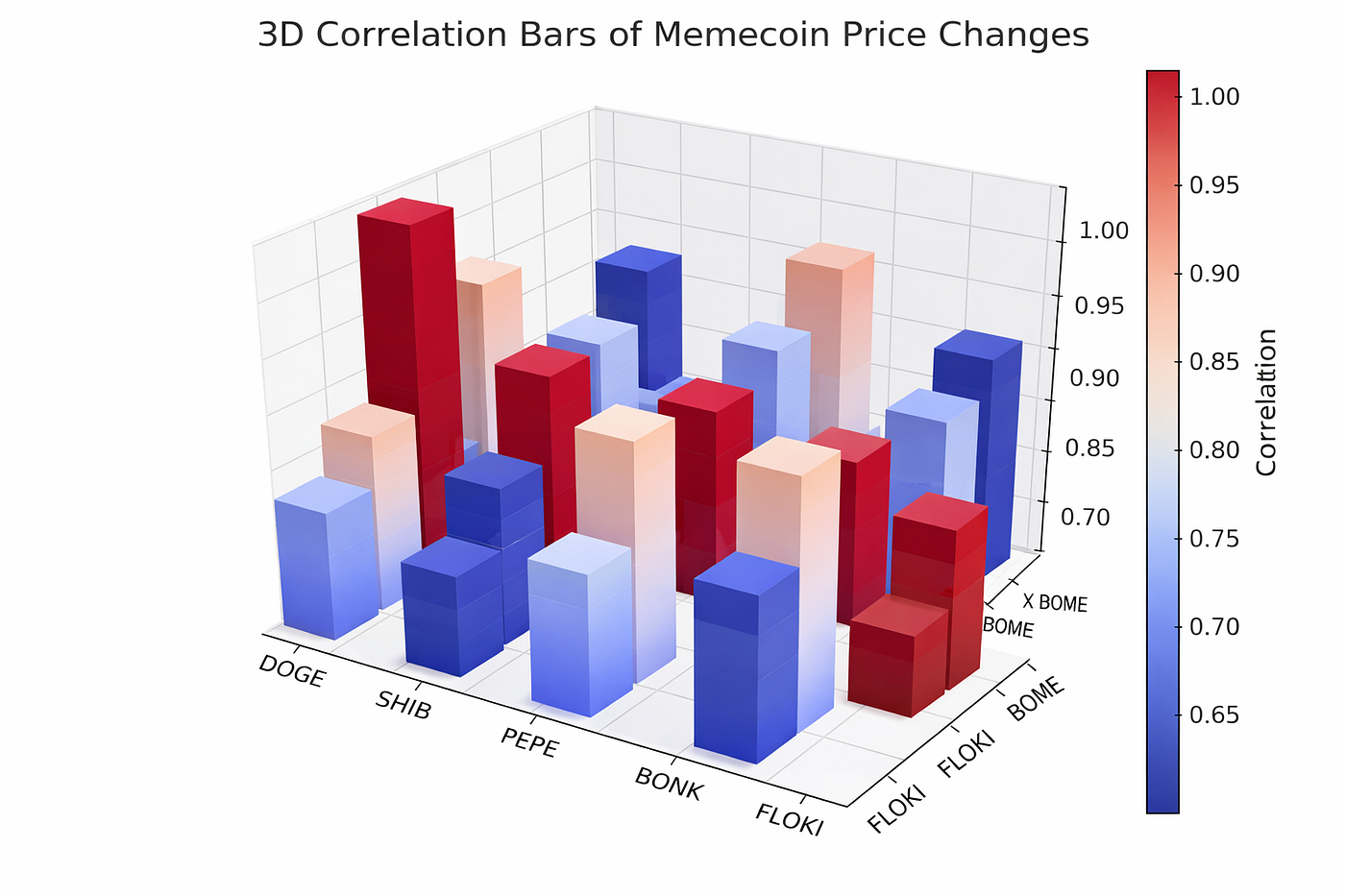
To quantify viability, consider core trade-offs. On the positive side, these agents exploit Solana's speed for microsecond reactions to sentiment spikes, potentially capturing 5-20% pumps in memecoins before retail piles in. Training on 4 million tweets offers scale, with techniques like LSTM networks or reinforcement learning from human feedback (RLHF) adapting to evolving slang and shill patterns. Yet, cons dominate my analysis: overfitting to past bull data ignores regime shifts, where sentiment decouples from price as in 2022's crash. Transaction fees, though low, compound in high-velocity trading, eroding thin edges. And without transparent leaderboards, claims of 'consistent performance' from wom. fun echo unsubstantiated hype.
Empirical benchmarks lag. Open-sourced alternatives, like Moon Dev's GitHub repo, reveal simpler bots using basic sentiment APIs yield Sharpe ratios below 1.0 in live trading. wom. fun's swarm must surpass this via ensemble methods, averaging predictions across agent clusters to mitigate single-model failures.
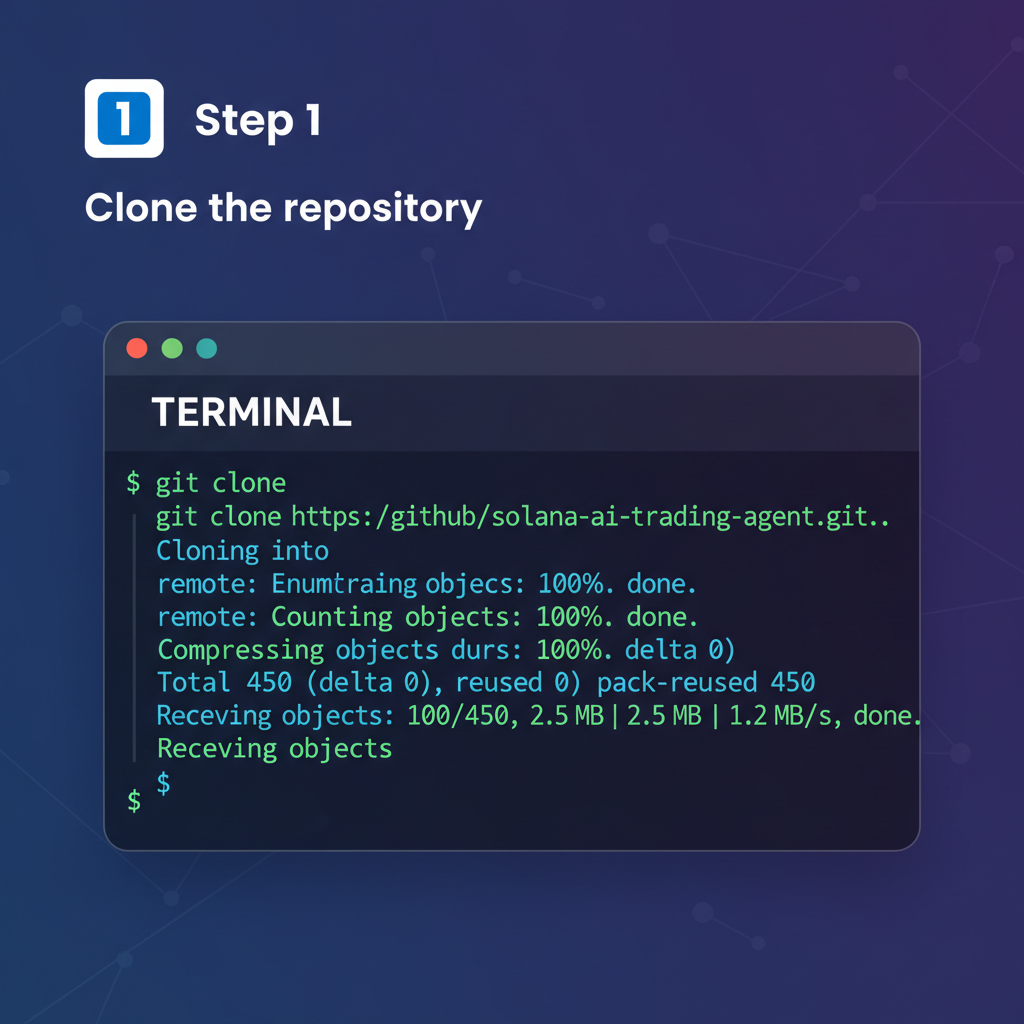
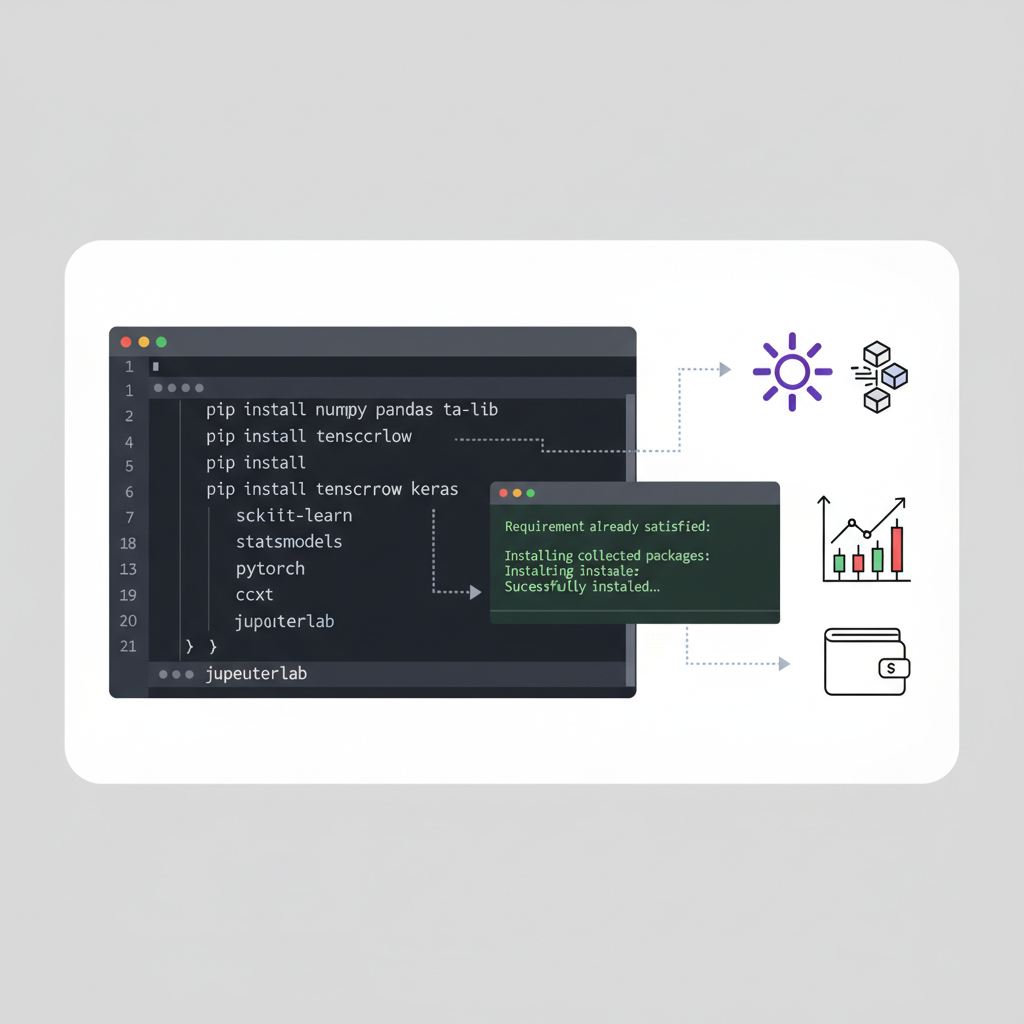
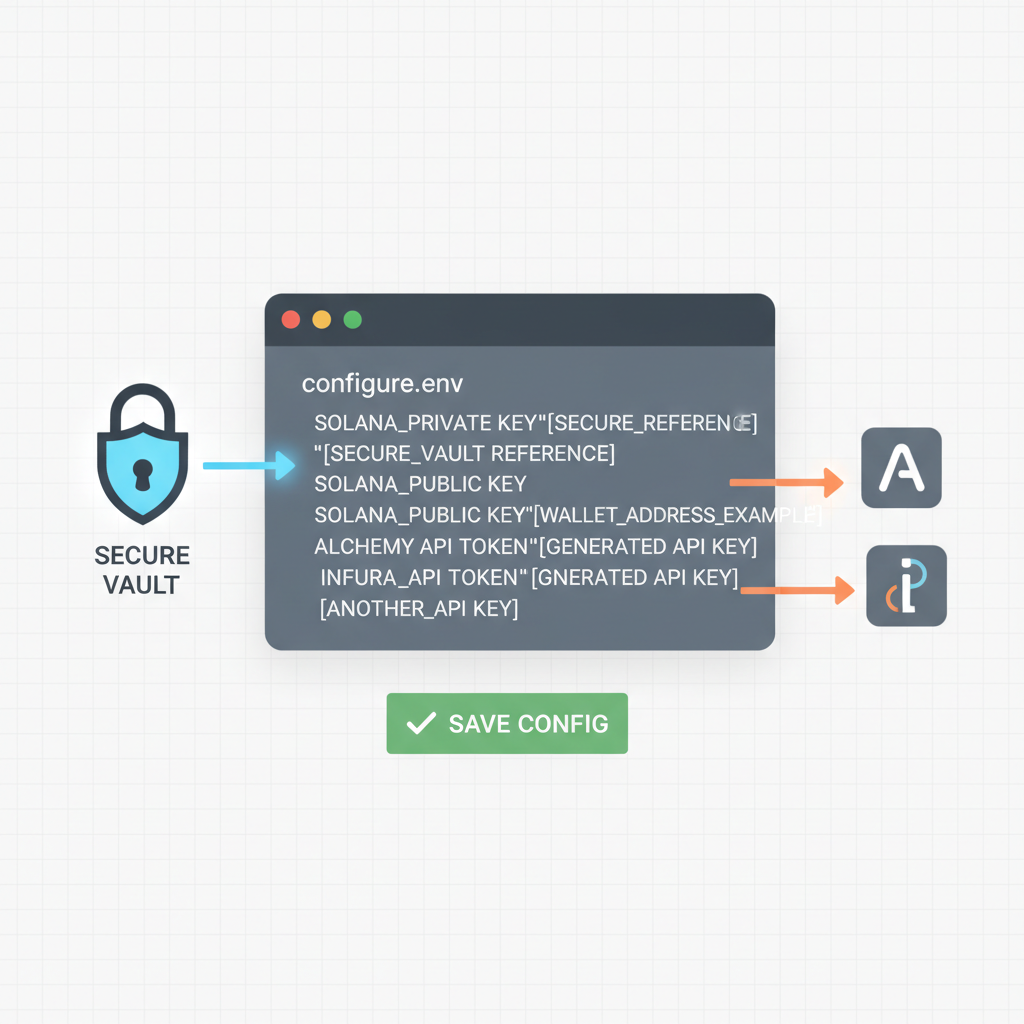
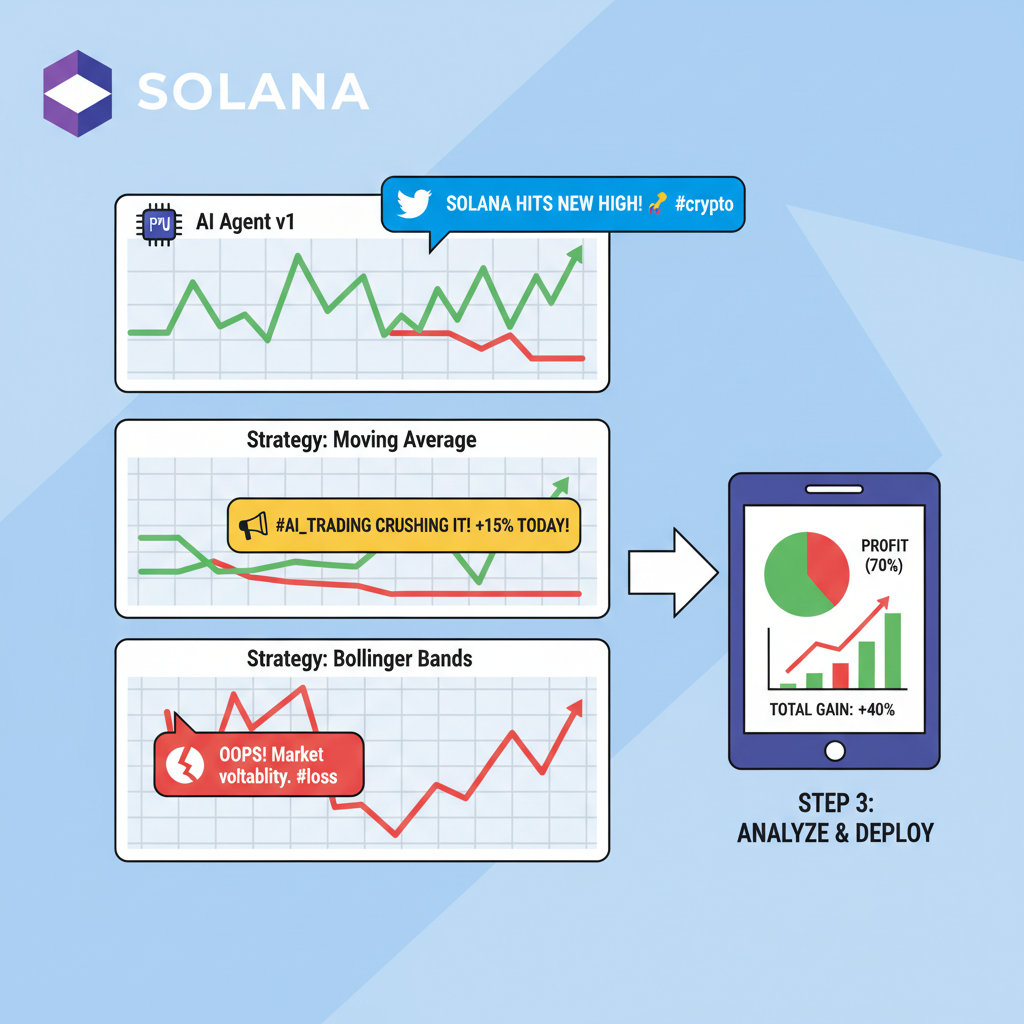
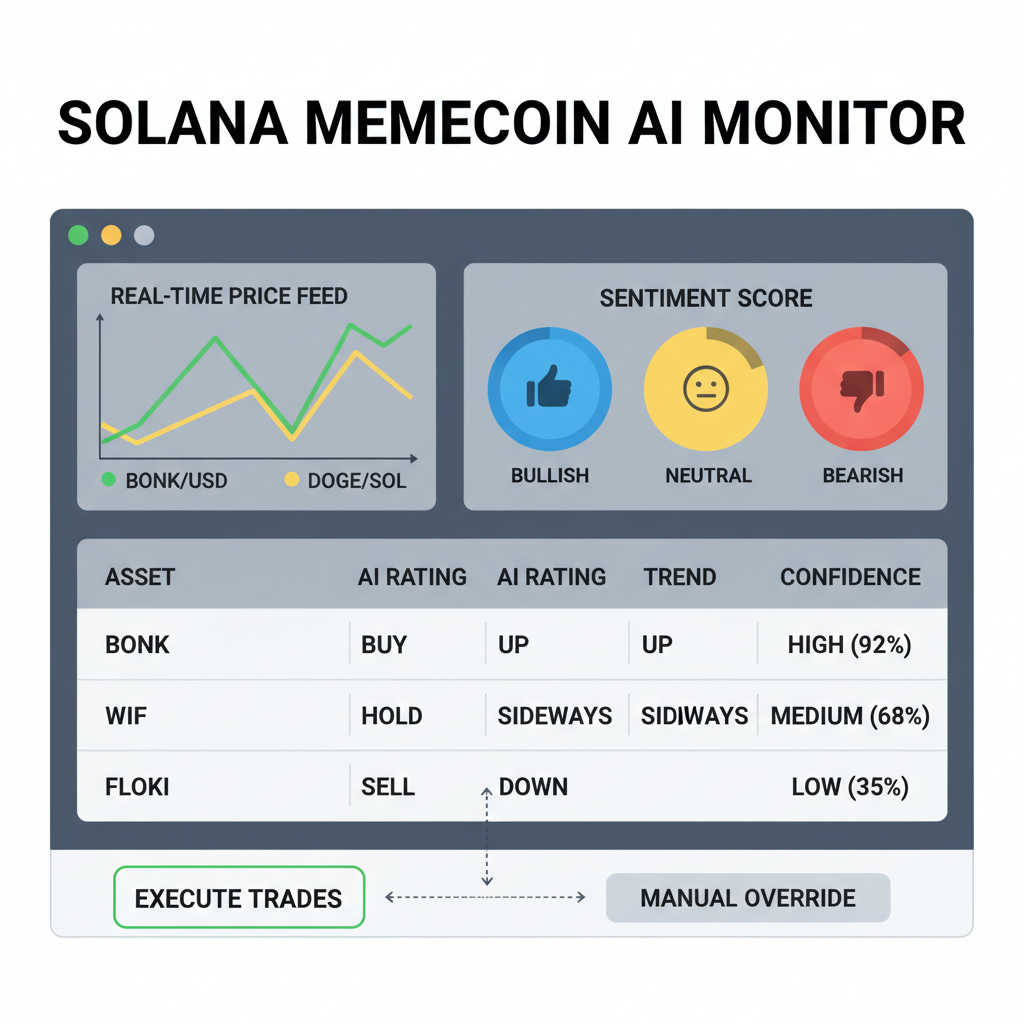
Implementing Moon Dev's Open-Source Sentiment AI Trading Agents on Solana

Peer Comparison in the AI Agent Landscape
Within Solana's ecosystem, wom. fun competes against refined players. SYNAPSE fuses meme generation with sentiment analysis via DeepSeek and Claude models, boasting adaptive personalities that engage communities for organic hype. JENNA evolves trading strategies through user interactions, blending NLP with on-chain execution. Sola AI extends to no-code Web3 automation, optimizing portfolios beyond pure sentiment. Broader lists, like Bankless's 15 influential crypto AI agents, spotlight utility-focused bots delivering verifiable alpha, unlike tweet-centric ones prone to noise.
Forbes highlights blockchain-native agents promising 24/7 autonomy, yet CoinMarketCap's projection of the sector ballooning to $250 billion by year-end demands scrutiny. At $83.74, with a 24-hour range of $83.54 to $85.63, SOL underpins this frenzy, but tweet sentiment crypto trading edges must integrate on-chain volume and DEX liquidity to compete. wom. fun's ai trading agents Solana niche shines if backtests show outperformance versus benchmarks like Raydium's top pairs.
Reddit skeptics nail it: many 'agents' are glorified scrapers, not sophisticated learners. True differentiation lies in hybrid models, fusing social sentiment with Solana-specific metrics like program-derived addresses or Jito MEV tips. Without audited code or third-party verification, wom. fun risks the pile of failed bots.
Path Forward: Math Over Marketing
For sentiment-driven agents to thrive, developers must prioritize rigorous validation. Publish walk-forward backtests spanning Solana's 2023 boom, 2024 consolidation, and hypothetical downturns. Disclose hyperparameters, feature importance (e. g. , sentiment velocity weighting 40% versus polarity at 30%), and live PnL dashboards. At current SOL levels of $83.74, low volatility favors mean-reversion strategies augmented by tweet data, but agents ignoring macro cues like ETF flows court obsolescence.
ChainCatcher's nod to AI-driven memes underscores the trend, yet DeSci integrations could elevate wom. fun by grounding sentiment in scientific rigor, like anomaly detection in social graphs. Until then, traders should allocate modestly, treating these as high-beta experiments. My verdict: promising architecture, pending proof. In DeFi's Darwinian arena, only bots with mathematical pedigrees endure.
No comments yet. Be the first to share your thoughts!