Backtesting is the bedrock of confident, data-driven crypto trading. Before entrusting your capital to an AI agent, you need to know how that agent would have performed in past markets. This process, called backtesting, lets you simulate your AI-driven strategy using historical data, revealing its strengths and weaknesses long before a live deployment. In the rapidly evolving world of digital assets, where volatility can be both opportunity and risk, methodical backtesting is not optional - it’s essential.

AI trading agent at a modern trading desk analyzing multiple crypto charts on large monitors in a high-tech environment

Why Backtest Crypto Strategies with AI Agents?

Unlike traditional manual backtesting, today’s AI-powered tools can process massive datasets, adapt to shifting market regimes, and even optimize themselves based on outcomes. Backtesting crypto with AI isn’t just about replaying old trades - it’s about stress-testing your logic across bull runs, flash crashes, and sideways markets. This helps answer critical questions:

  • Is my strategy robust or overfitted?
  • How does it perform during high volatility events?
  • Does the risk management logic protect against tail risks?

With the advent of platforms like Themis AI Backtesting and LuxAlgo’s natural language assistants, even non-coders can now describe strategies in plain English and receive detailed performance analytics. For example: “Backtest a grid trading strategy on BTC/USDT from January 2023 to January 2025. ” The platform will crunch the numbers and visualize results in minutes.

The Step-by-Step Process for Effective AI Backtesting

1. Define Your Trading Logic Clearly

Your first task is to articulate exactly how your AI agent will trade. Will it use technical indicators like Bollinger Bands or RSI? Does it incorporate fundamental signals such as on-chain activity or macroeconomic news? Be explicit about entry/exit rules and risk controls - ambiguity here leads to unreliable results later.

2. Gather High-Quality Historical Data

No amount of sophistication in your algorithm can compensate for poor data quality. Seek out comprehensive datasets that cover price, volume, order book depth, and even sentiment if possible. Ideally, the data should span multiple market cycles so your agent is tested against both euphoria and panic.

3. Choose a Suitable Backtesting Engine

The choice of platform matters. Some traders opt for open-source Python libraries; others prefer plug-and-play solutions like Themis (see more here) or LuxAlgo for their intuitive interfaces and built-in optimization tools. Increasingly popular are engines that convert natural language prompts into executable strategies (as seen here). Look for features like walk-forward testing and out-of-sample validation for best results.

Step-by-Step Guide: Backtesting Crypto Trading Strategies with AI Agents
A person writing rules and conditions for a crypto trading strategy on a digital notepad, with icons of AI and cryptocurrency charts in the background.
Define Your Trading Strategy
Start by clearly outlining the rules your AI agent will follow. Specify entry and exit conditions, risk management rules, and which cryptocurrencies you'll trade. For example, decide if your agent will use technical indicators like Bollinger Bands or moving averages, and set your risk limits.
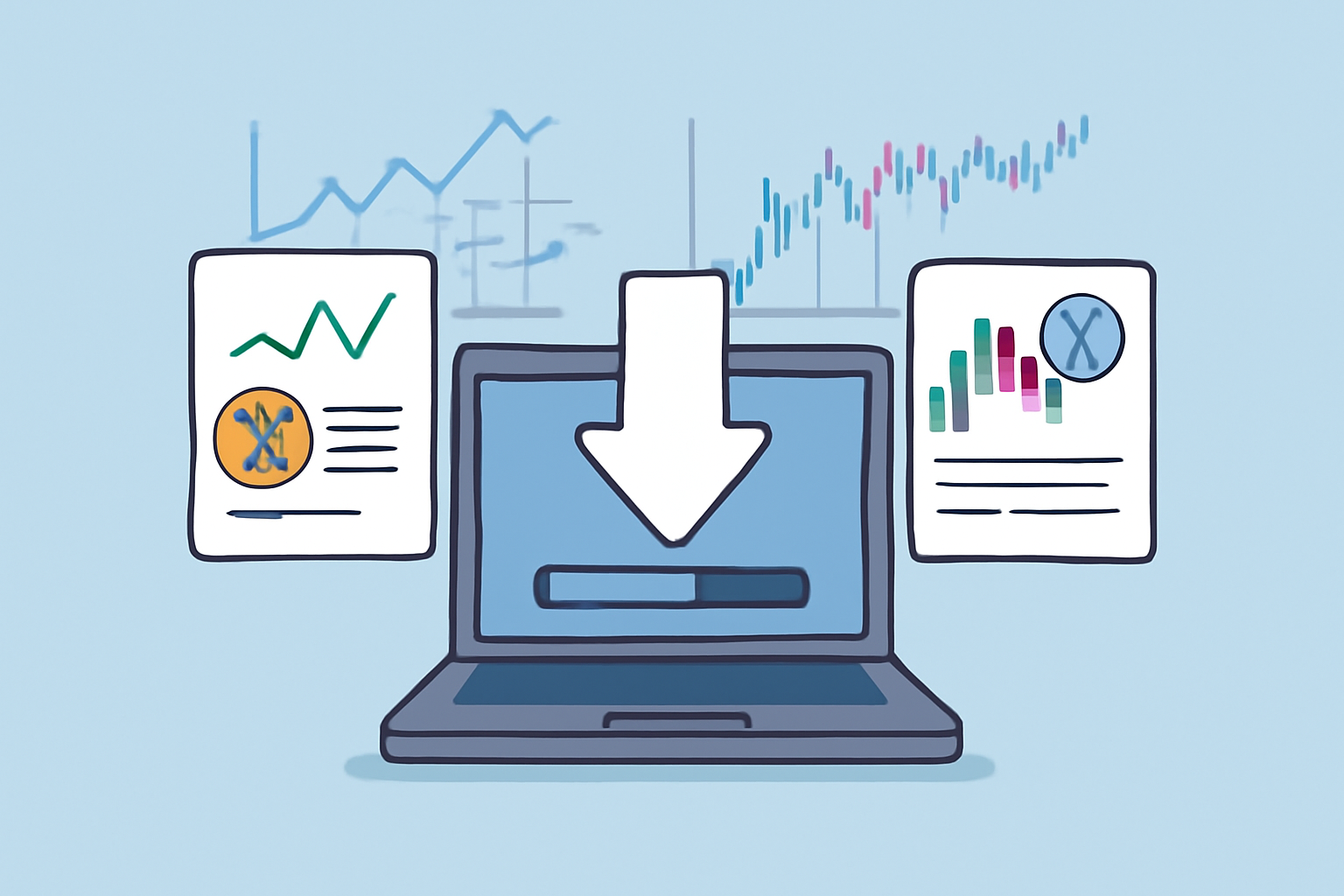
A computer downloading large sets of cryptocurrency price charts and data, with digital graphs and bitcoin/ethereum icons.
Collect Historical Market Data
Gather comprehensive historical data for your chosen cryptocurrencies. Ensure your dataset includes price, volume, and relevant indicators over a significant time period to capture different market conditions.
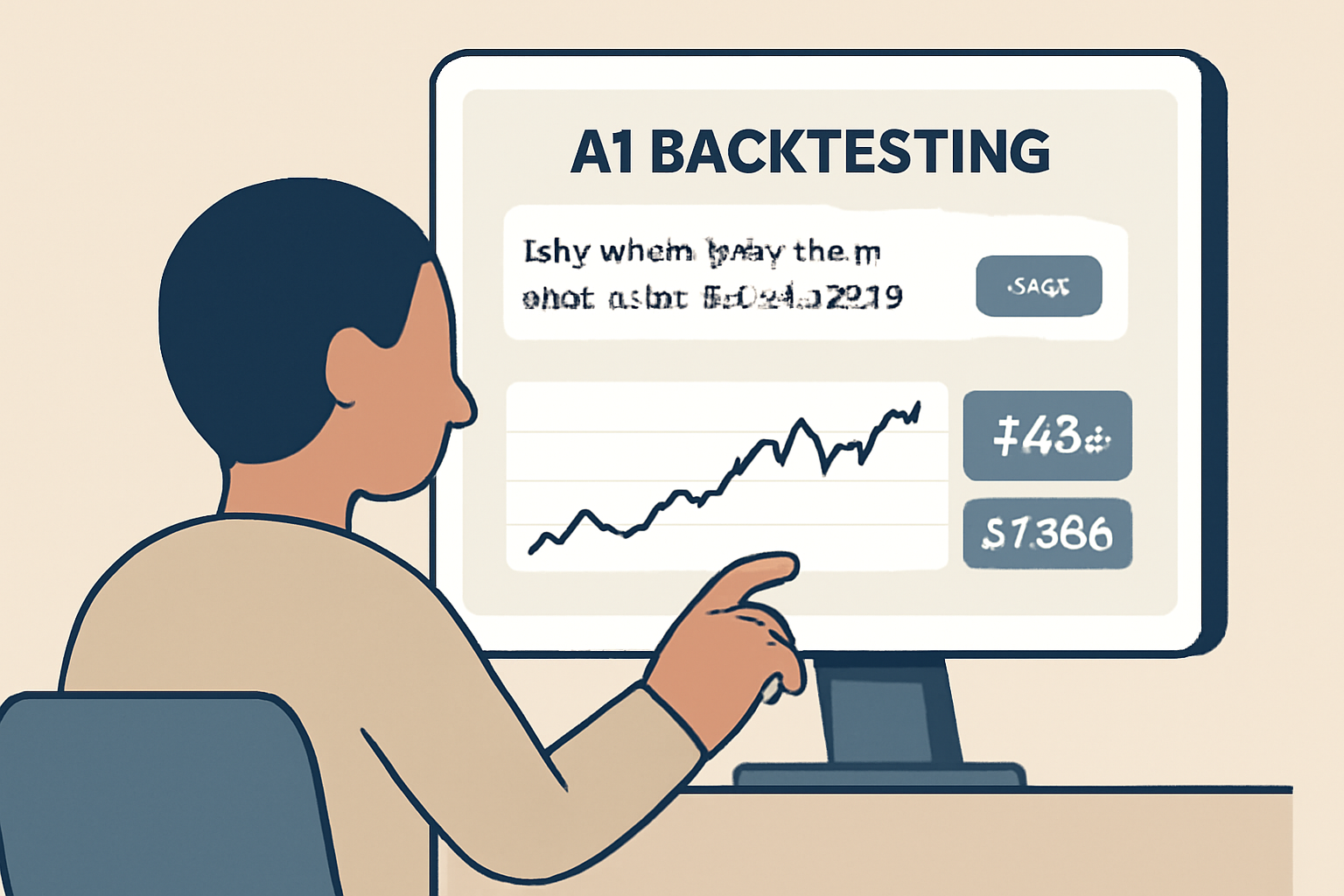
A user interacting with an AI-powered backtesting dashboard, inputting a strategy in plain language and viewing simulated results on a screen.
Implement Strategy in a Backtesting Platform
Use a backtesting platform—such as Themis AI Backtesting—to simulate your strategy against historical data. Some platforms let you describe your strategy in natural language and quickly see simulated results.
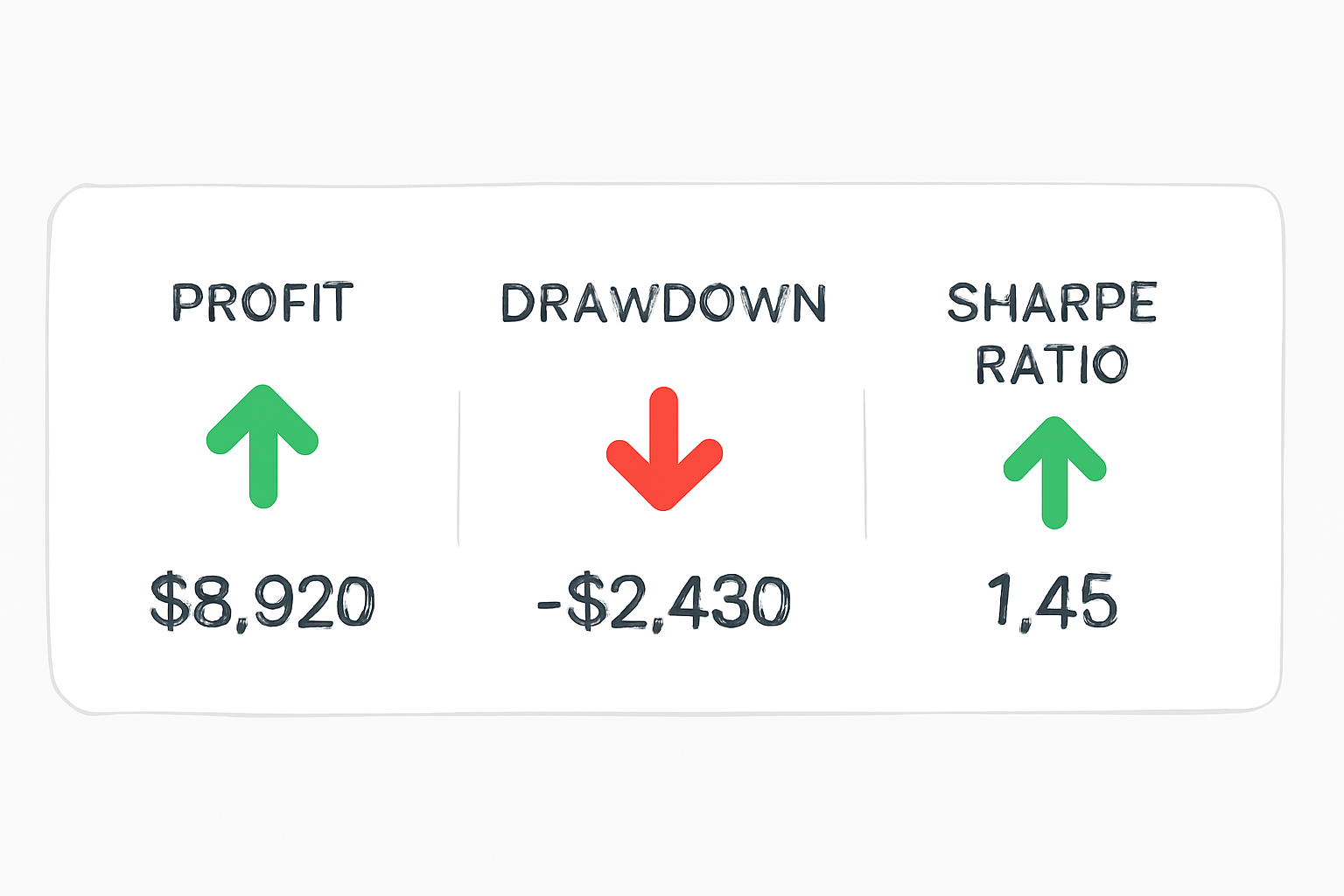
A dashboard displaying performance metrics: profit, drawdown, and Sharpe Ratio, with green and red indicators for gains and losses.
Evaluate Performance Metrics
Analyze the results of your backtest. Focus on profitability (net returns), risk exposure (like maximum drawdown), and risk-adjusted returns (such as the Sharpe Ratio). These metrics help you understand how your strategy would have performed.
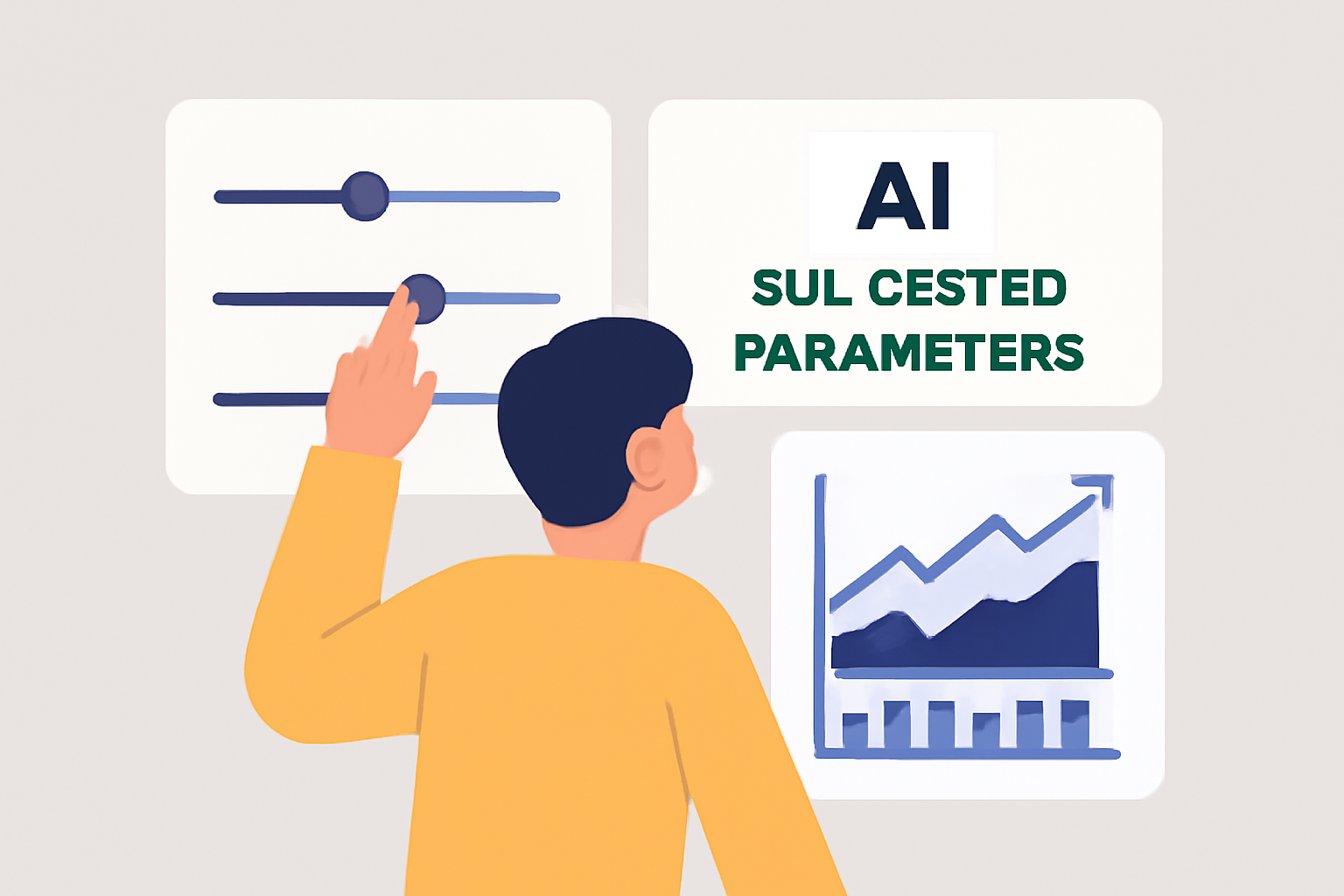
A person adjusting sliders and settings on a digital interface, with AI suggesting optimal parameters and charts updating in real-time.
Optimize and Refine the Strategy
Based on your backtest results, adjust your strategy to improve performance. Tweak parameters, add indicators, or modify risk management rules. Many platforms offer optimization tools to help you identify the best settings.
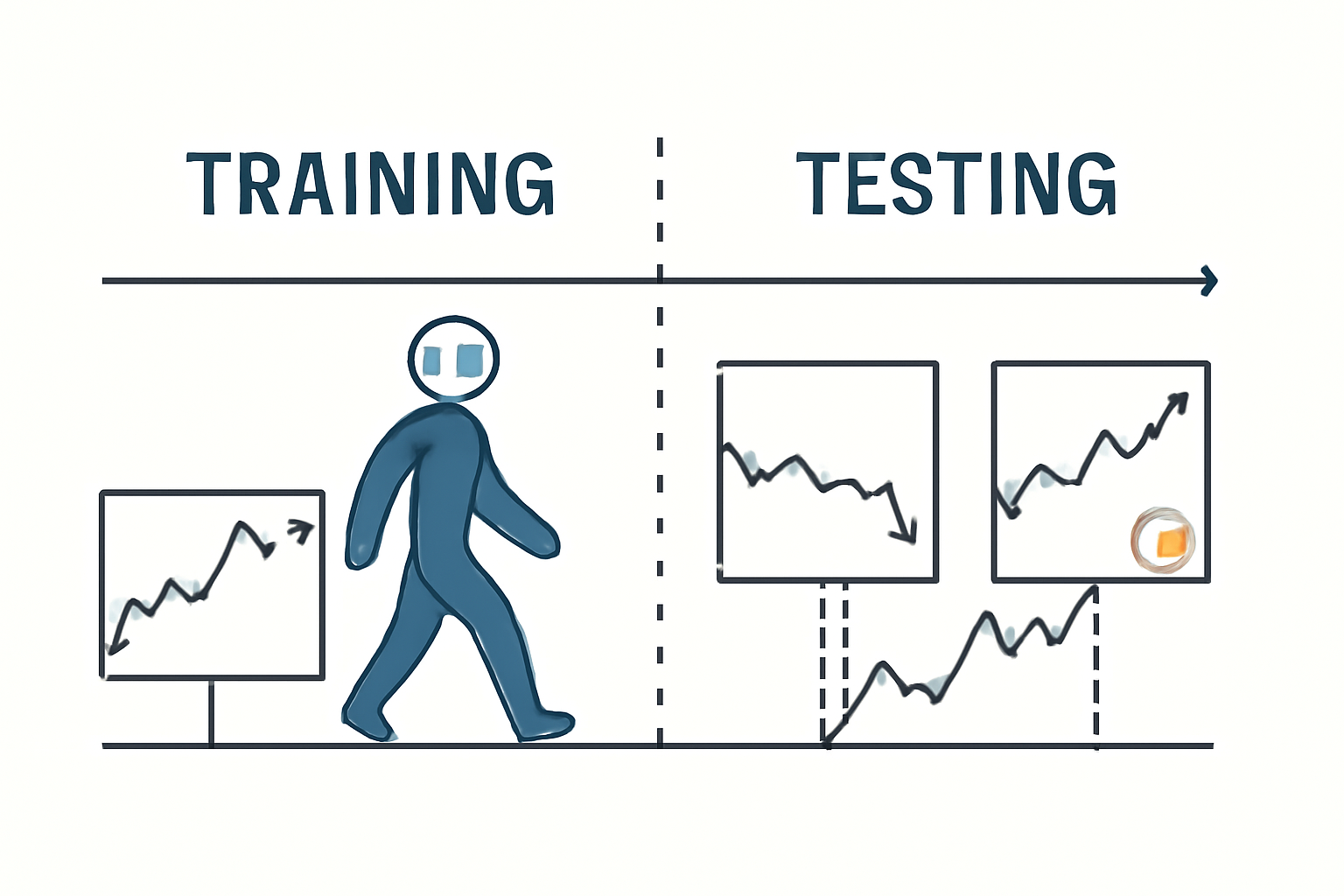
A timeline split into training and testing segments, with an AI agent walking forward through evolving crypto market charts.
Conduct Walk-Forward Testing
Test your strategy's robustness by dividing your data into in-sample (training) and out-of-sample (testing) periods. Continuously update and validate your strategy with new data to ensure it adapts to changing market conditions.
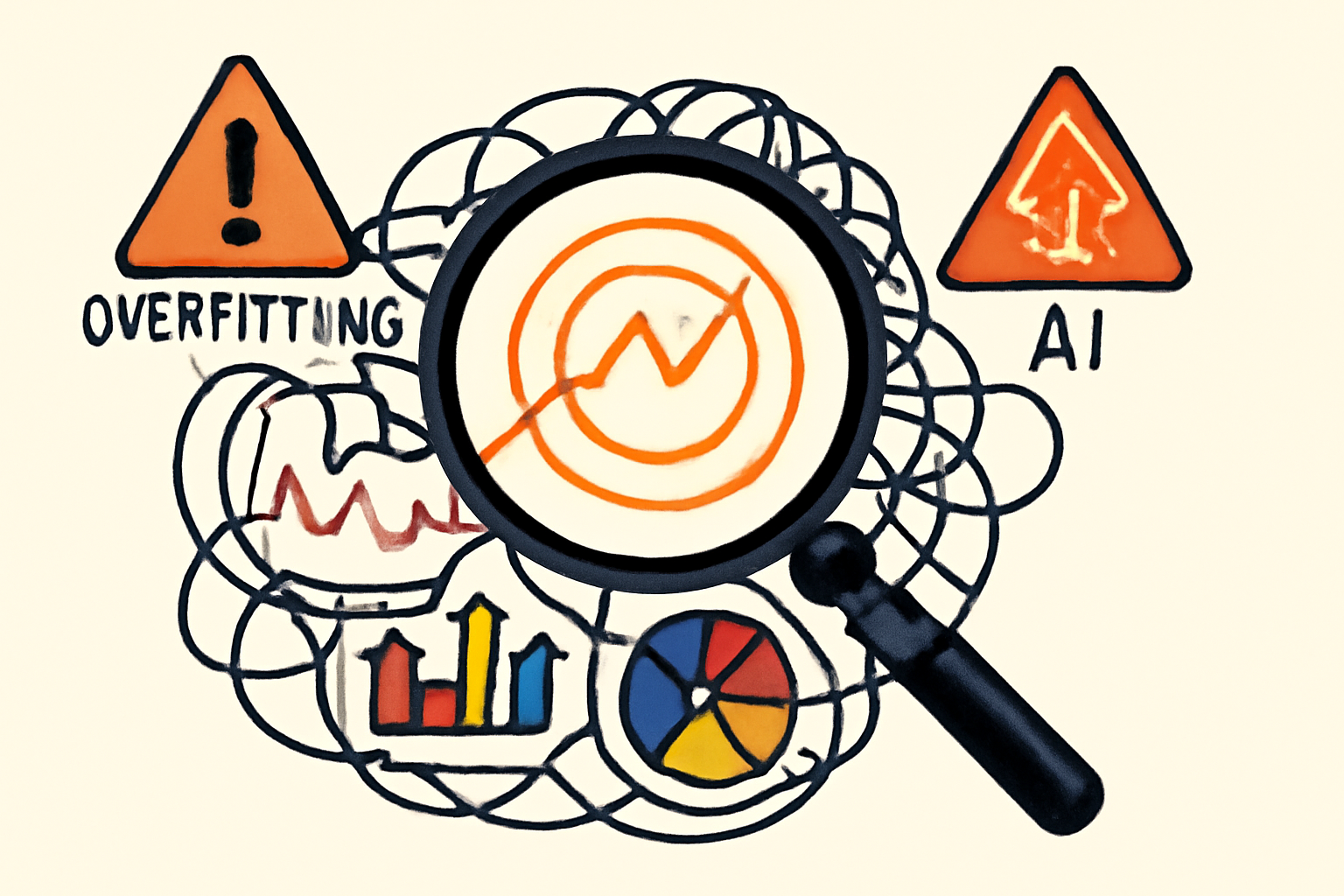
A magnifying glass examining a tangled web of data and charts, with warning signs about overfitting and AI analyzing patterns.
Monitor for Overfitting
Be wary of overfitting—when a strategy is too tailored to historical data and fails in live markets. Test across diverse market conditions and avoid excessive parameter optimization to ensure your strategy is robust.
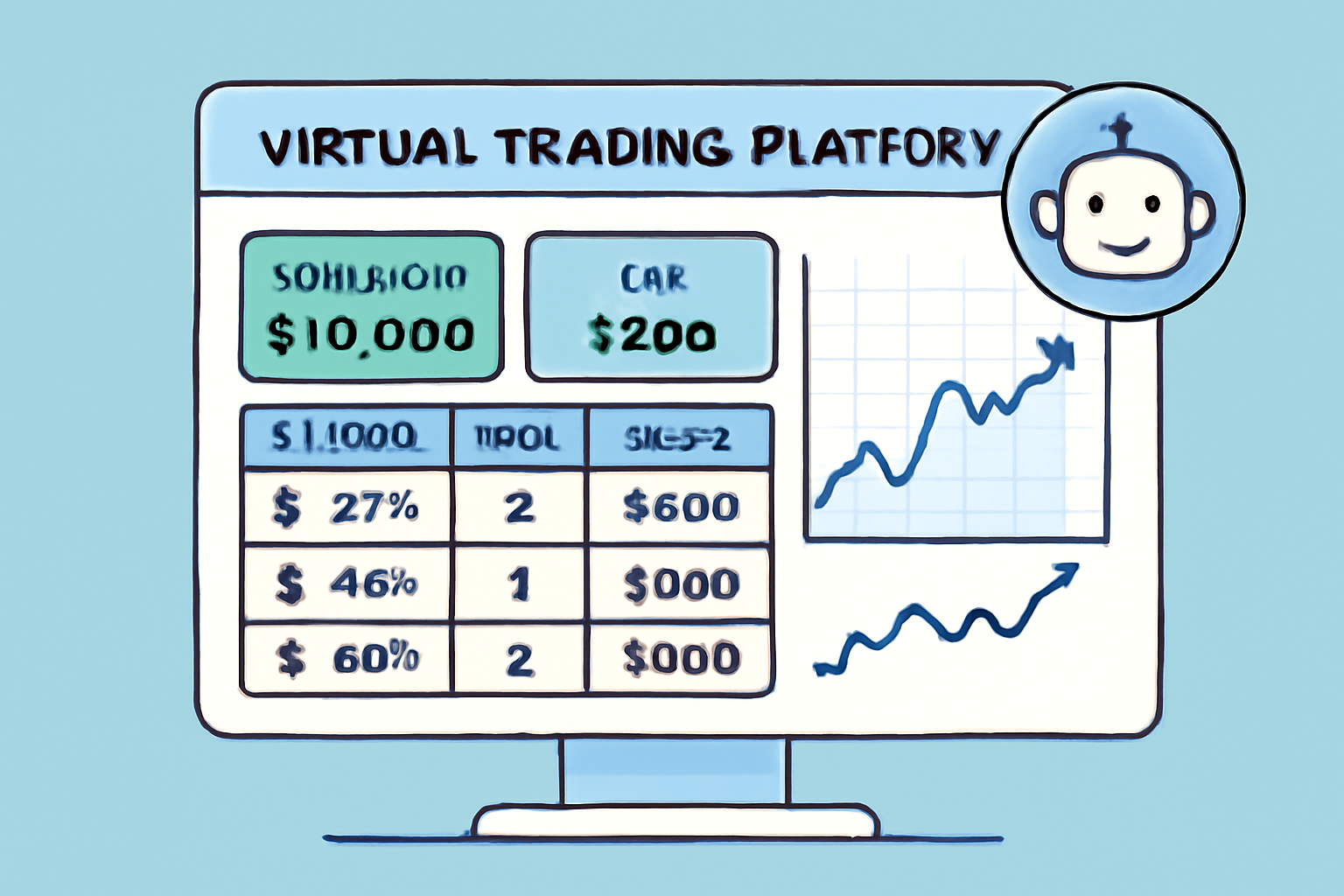
A virtual trading platform showing simulated trades and balances, with AI monitoring performance in real-time.
Deploy in a Simulated Environment
Before risking real funds, test your strategy in a simulated trading environment. This helps you observe real-time performance and catch any issues in execution or logic without financial risk.
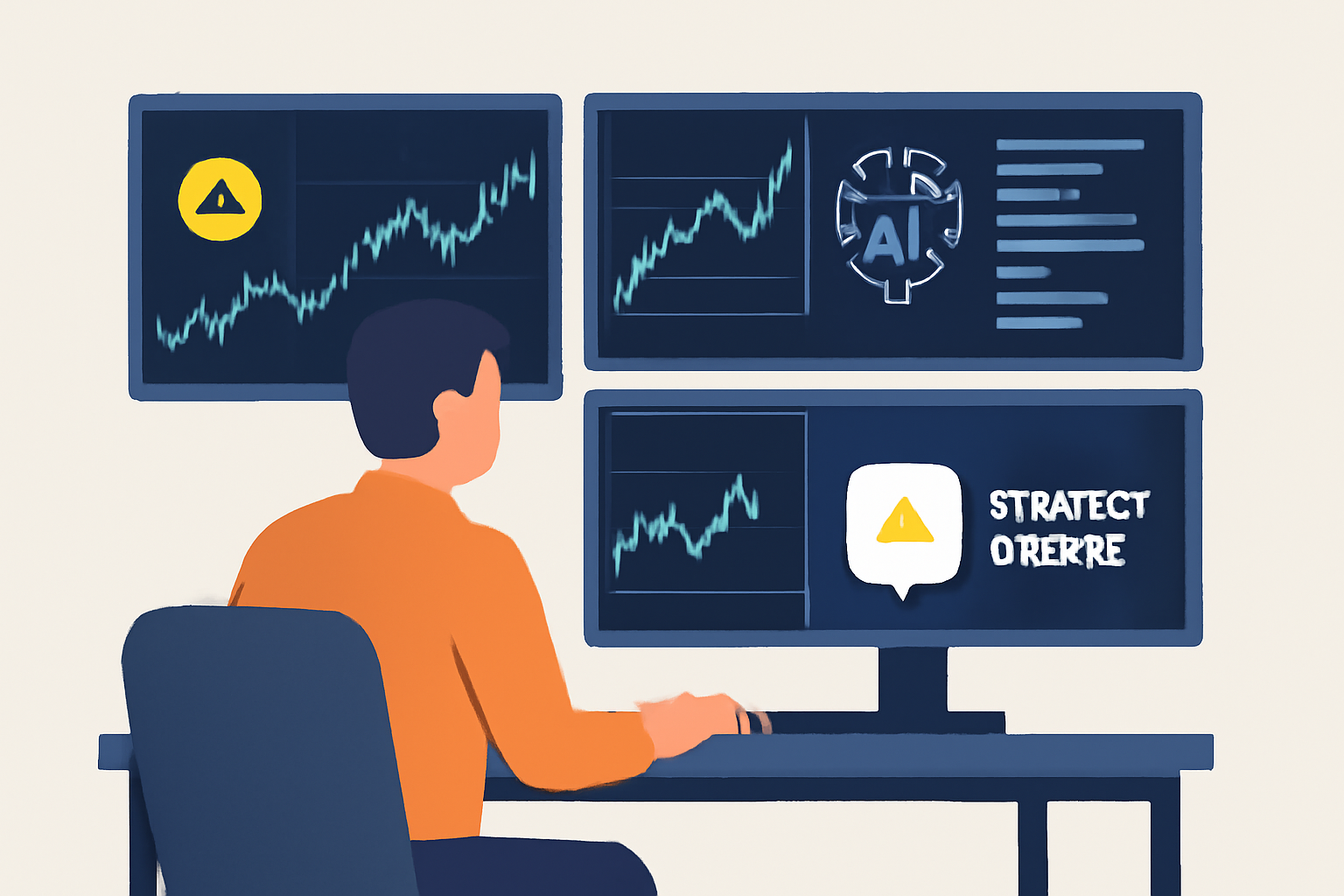
A trader at a workstation with multiple screens showing live crypto charts, AI analytics, and alerts for strategy updates.
Continuous Monitoring and Adaptation
Once live, continuously monitor your AI agent’s performance. Markets evolve, so regularly retrain your AI models with new data and refine your strategy to maintain effectiveness.

Evaluating Performance: Metrics That Matter

A thorough backtest goes beyond raw profit numbers. You want to understand risk-adjusted returns (Sharpe ratio), maximum drawdown (your worst-case loss), win rate versus loss rate, average trade duration, exposure by asset class - the list goes on.

This is where modern AI risk management tools shine: they can automatically flag periods where your strategy is vulnerable or suggest parameter tweaks to improve robustness without overfitting (learn more here). Remember that a strategy that looks perfect on one dataset may collapse when new conditions arise; always validate using walk-forward or out-of-sample testing.

Once you have a clear sense of your strategy’s historical strengths and vulnerabilities, it’s time to iterate. AI trading strategy optimization is an ongoing process, not a one-off event. Most leading backtesting platforms now offer built-in optimization modules: these can automatically adjust parameters like stop-loss levels, indicator thresholds, or even the mix of assets traded. The goal is to strike a balance between maximizing returns and minimizing risk exposure, without falling into the trap of curve-fitting to past data.

Walk-forward testing is especially critical in crypto’s ever-changing landscape. By splitting your dataset into sequential training and testing periods, you can see how well your AI agent adapts as new market regimes emerge. This method exposes strategies that only work in hindsight and helps ensure your bot remains resilient when faced with future volatility.

From Backtest to Live: Simulated Environments and Real-World Readiness

Before risking capital, deploy your AI-powered crypto trading agent in a simulated environment. This "paper trading" phase allows you to monitor real-time execution, slippage, latency, order book depth, without financial consequences. Many platforms now offer live simulation modes that mimic actual exchange conditions using current market prices and liquidity.

During this stage, pay close attention to metrics like trade execution speed and error rates. Even the most profitable backtest can fail if your agent struggles with real-world order routing or network downtime. Use this opportunity to further refine both logic and infrastructure.

Essential FAQs on Backtesting AI Crypto Trading Strategies

What is backtesting in the context of AI crypto trading strategies?
Backtesting is the process of evaluating an AI-driven crypto trading strategy by simulating its performance on historical market data. This allows traders to assess how their AI agent would have performed under real market conditions without risking actual funds. By analyzing past price action, volume, and other indicators, you can identify strengths and weaknesses in your strategy before deploying it live.
🔍
How do I prevent overfitting when backtesting AI trading strategies?
Overfitting occurs when a strategy performs exceptionally well on historical data but fails in live markets due to excessive optimization for past conditions. To prevent this, ensure your backtests cover diverse market scenarios, use walk-forward testing (split data into training and testing sets), and avoid tweaking too many parameters. Regularly retrain your AI models with new data to maintain adaptability.
🧠
What performance metrics should I analyze during backtesting?
When backtesting, focus on key metrics such as profitability (net returns), risk exposure (maximum drawdown), and the Sharpe Ratio (risk-adjusted returns). These indicators help you understand both the potential gains and risks of your AI strategy. Evaluating these metrics ensures your approach is not only profitable but also robust and sustainable across different market conditions.
📊
Why is walk-forward testing important in AI strategy backtesting?
Walk-forward testing is crucial because it mimics real-world trading by continuously updating your strategy with new data. By dividing your historical data into in-sample (training) and out-of-sample (testing) periods, you can validate your AI agent's robustness and adaptability. This approach helps ensure your strategy isn't just tailored to past data but is also effective in evolving market environments.
🚶‍♂️
Should I deploy my AI trading strategy directly after backtesting?
It's best to first deploy your AI trading strategy in a simulated environment rather than live markets. This allows you to observe real-time performance without financial risk, catch any execution issues, and refine your logic. Only after your strategy consistently performs well in simulation should you consider live deployment, always with continuous monitoring and regular updates.
🛡️

Continuous Monitoring: Staying Ahead with Adaptive Agents

No strategy remains effective forever, especially in the fast-moving world of digital assets. Once live, continuous monitoring is essential. Monitor performance daily or weekly; set up alerts for drawdowns or deviations from expected behavior. Regularly retrain AI models on new data to capture emerging trends or shifts in volatility profiles.

The best AI agents evolve alongside the market itself. Look for platforms that support automated retraining schedules or allow you to quickly deploy updated models as conditions change (see Cointelegraph’s coverage here). Remember: patience and perspective build wealth, but only if paired with disciplined oversight.

Practical Checklist for Backtesting Crypto with AI

Robust AI Crypto Strategy Backtesting Checklist

  • Define your AI trading strategy rules, including entry/exit logic and risk parameters.📝
  • Collect comprehensive historical crypto market data (price, volume, indicators).📊
  • Implement your strategy in a reputable backtesting framework (e.g., Themis AI Backtesting).🤖
  • Evaluate key performance metrics: profitability, risk exposure, and Sharpe ratio.📈
  • Optimize and refine your strategy based on backtest results and platform suggestions.🔧
  • Conduct walk-forward testing to validate robustness across in-sample and out-of-sample data.🚶‍♂️
  • Monitor for overfitting by testing across diverse market conditions and avoiding excessive optimization.🧠
  • Deploy the strategy in a simulated trading environment to observe real-time performance risk-free.🕹️
  • Continuously monitor, retrain, and adapt your AI agent as market conditions evolve.🔄
Excellent work! Your AI-driven crypto trading strategy is now robustly backtested and ready for the next phase. Stay vigilant and keep refining for optimal results.

As a final note, don’t neglect community wisdom. Many successful traders share their own templates and results on forums or within platform marketplaces, offering valuable benchmarks for your own experiments (explore Reddit’s discussions here). Engaging with these communities can accelerate your learning curve and help you avoid common pitfalls.

The combination of rigorous backtesting crypto with AI, adaptive optimization, and vigilant risk management is what separates short-term speculation from durable success in algorithmic trading. With today’s tools, anyone willing to invest time in methodical research can harness the power of AI agents for smarter portfolio management, and stay ahead as markets continue to evolve.