

Automated trading is no longer the exclusive realm of institutional quants and hedge funds. Thanks to a wave of open source innovation, anyone can now build a crypto trading bot tailored to their unique strategy and risk profile. Whether you’re a DeFi enthusiast seeking to optimize yield or a seasoned trader aiming for precise execution, customizable trading bots offer unprecedented control and efficiency in today’s volatile markets.
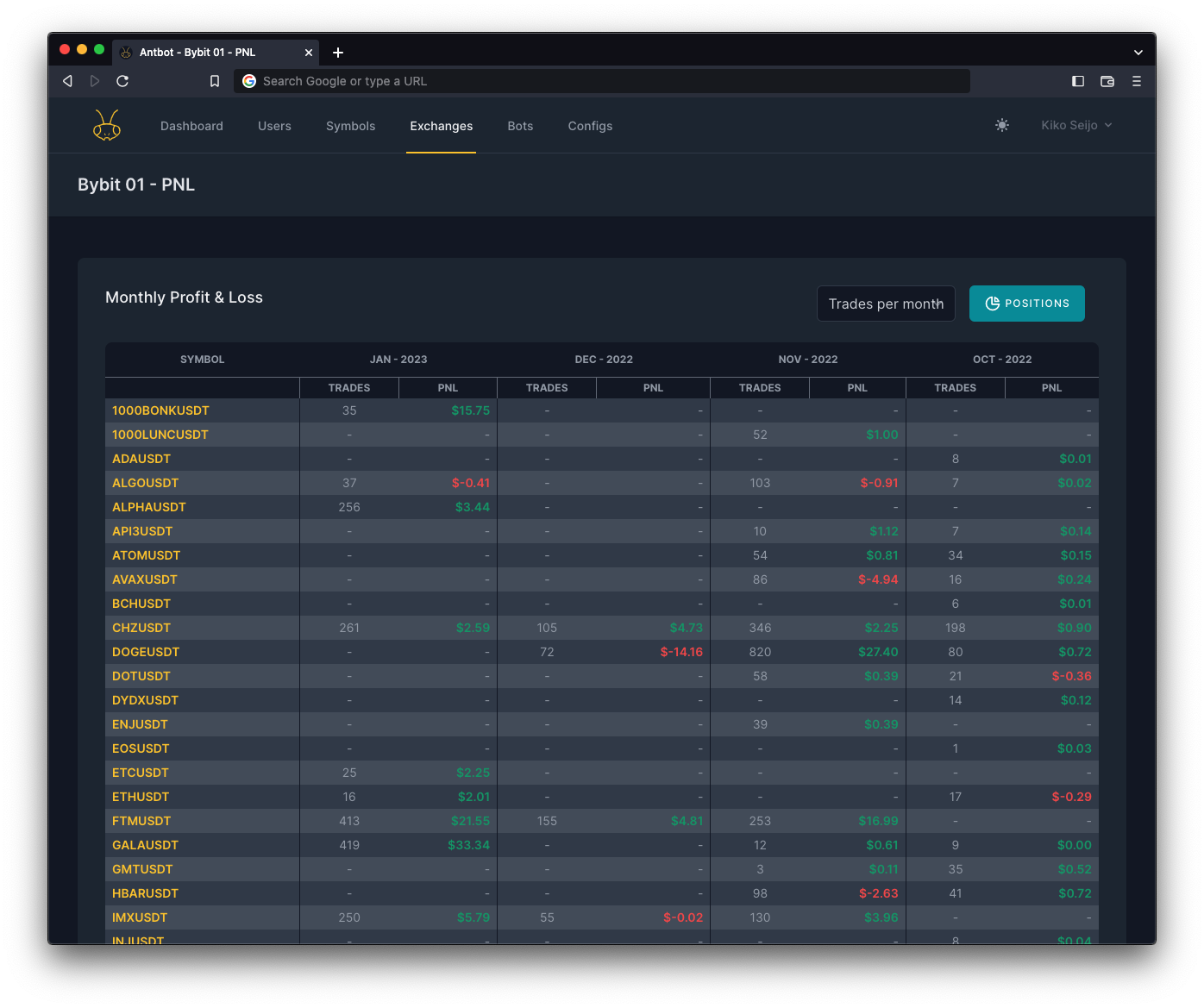
Why Open Source Bots Dominate Crypto Trading Automation
The rise of open source crypto trading bots has democratized access to advanced algorithmic trading. Unlike closed platforms, open source frameworks provide transparency, flexibility, and community-driven enhancements. You’re not locked into rigid strategies or opaque code - instead, you can audit, adapt, and extend every component to fit your needs.
Key advantages include:
- Transparency: Review the source code for security and trust.
- Customization: Build or modify strategies without vendor limitations.
- Community Support: Tap into forums, Discords, and GitHub repos for troubleshooting and new features.
- No Hidden Fees: Avoid subscription costs that eat into your ROI.
This open ethos is fueling rapid innovation in DeFi trading agents and automated portfolio management tools across CEXs (centralized exchanges like Binance) and DEXs alike.
The Top Open Source Frameworks for Customizable Strategies
Top Open Source Crypto Trading Bot Platforms
- Freqtrade: A robust, Python-based trading bot supporting multiple exchanges, advanced backtesting, and strategy optimization. Ideal for coders seeking full control and customization. Learn more.
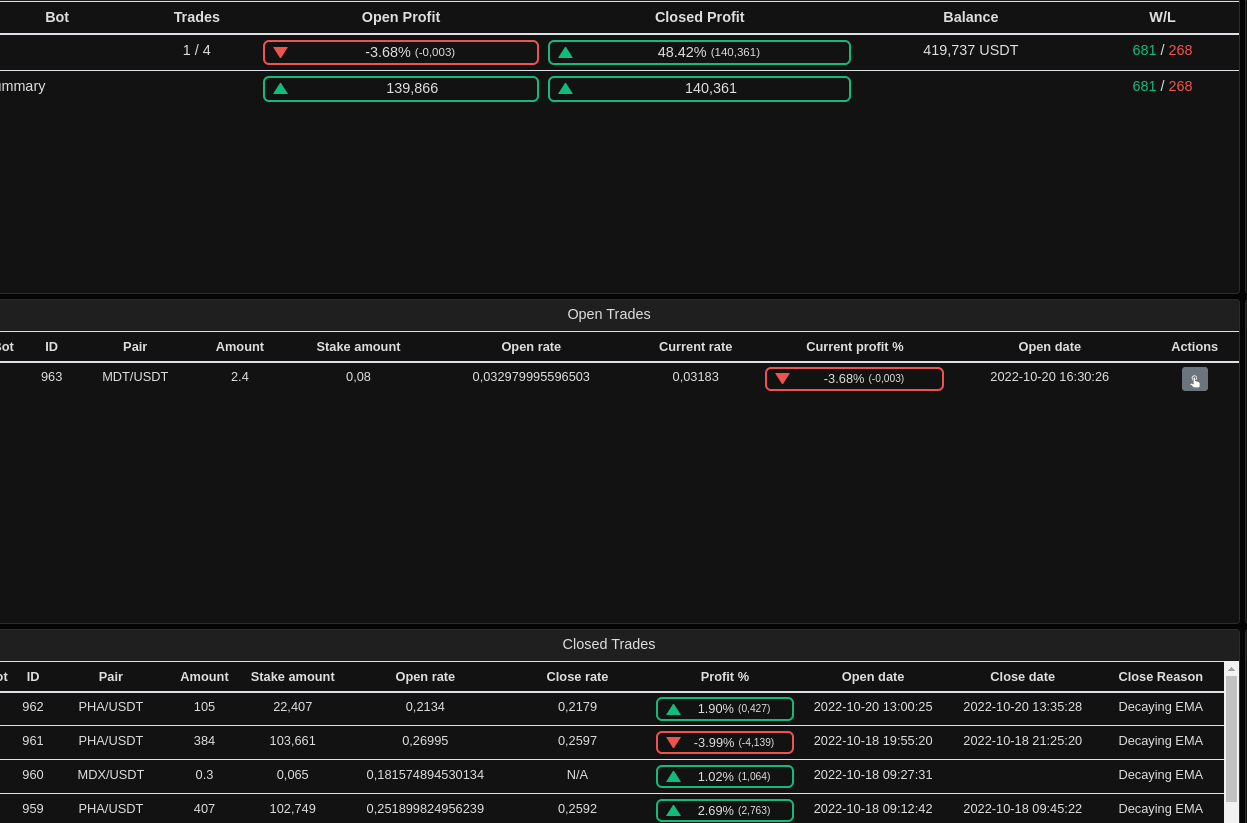
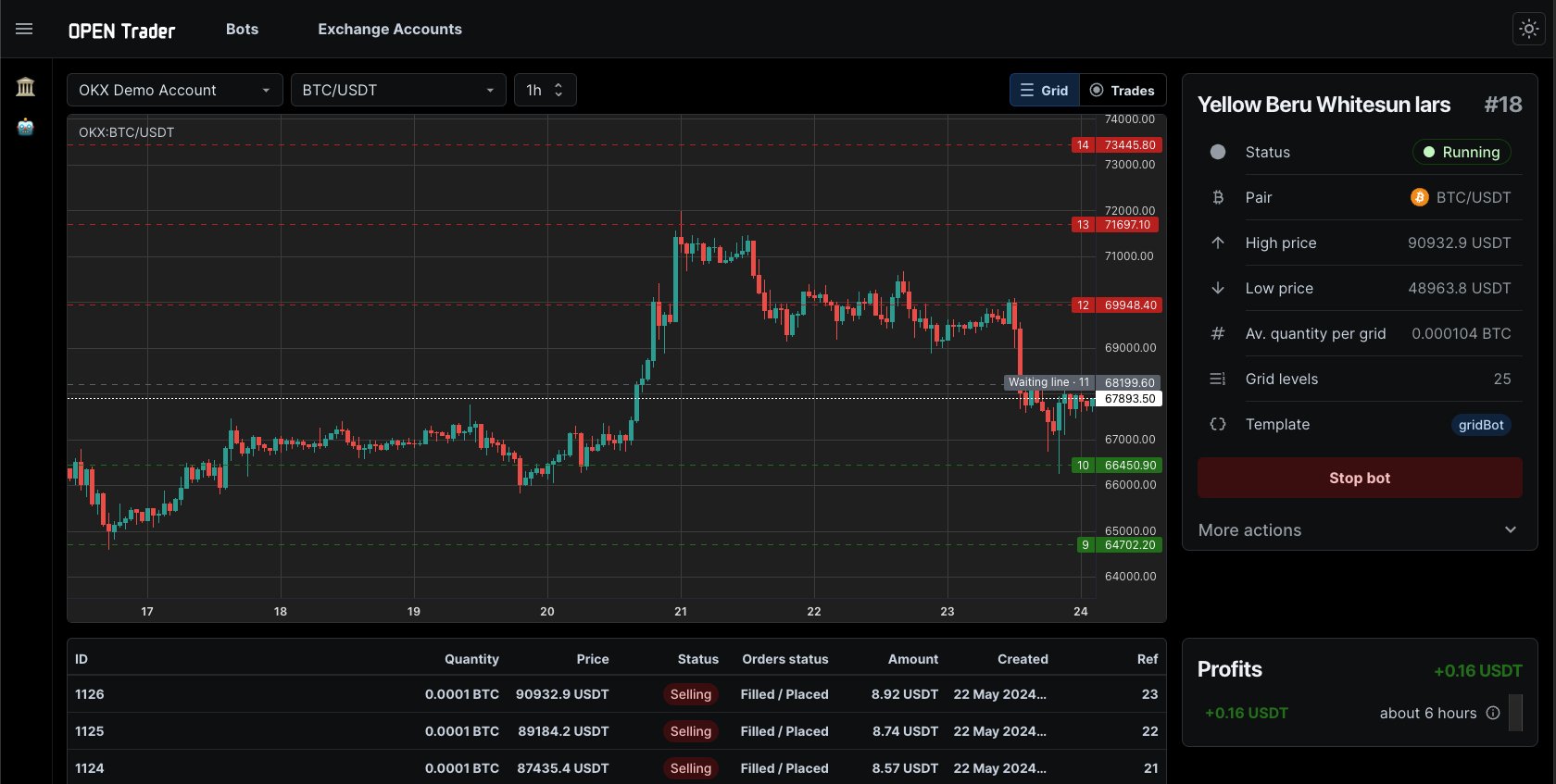
- OpenTrader: A self-hosted platform with built-in and customizable strategies, cross-exchange trading via CCXT, and a user-friendly UI. Features paper trading and easy NPM installation. See OpenTrader on GitHub.
- Jesse: A Python framework for algorithmic crypto trading, offering a clean API, backtesting, and live trading tools. Suited for traders who prefer simplicity and flexibility. Explore Jesse.

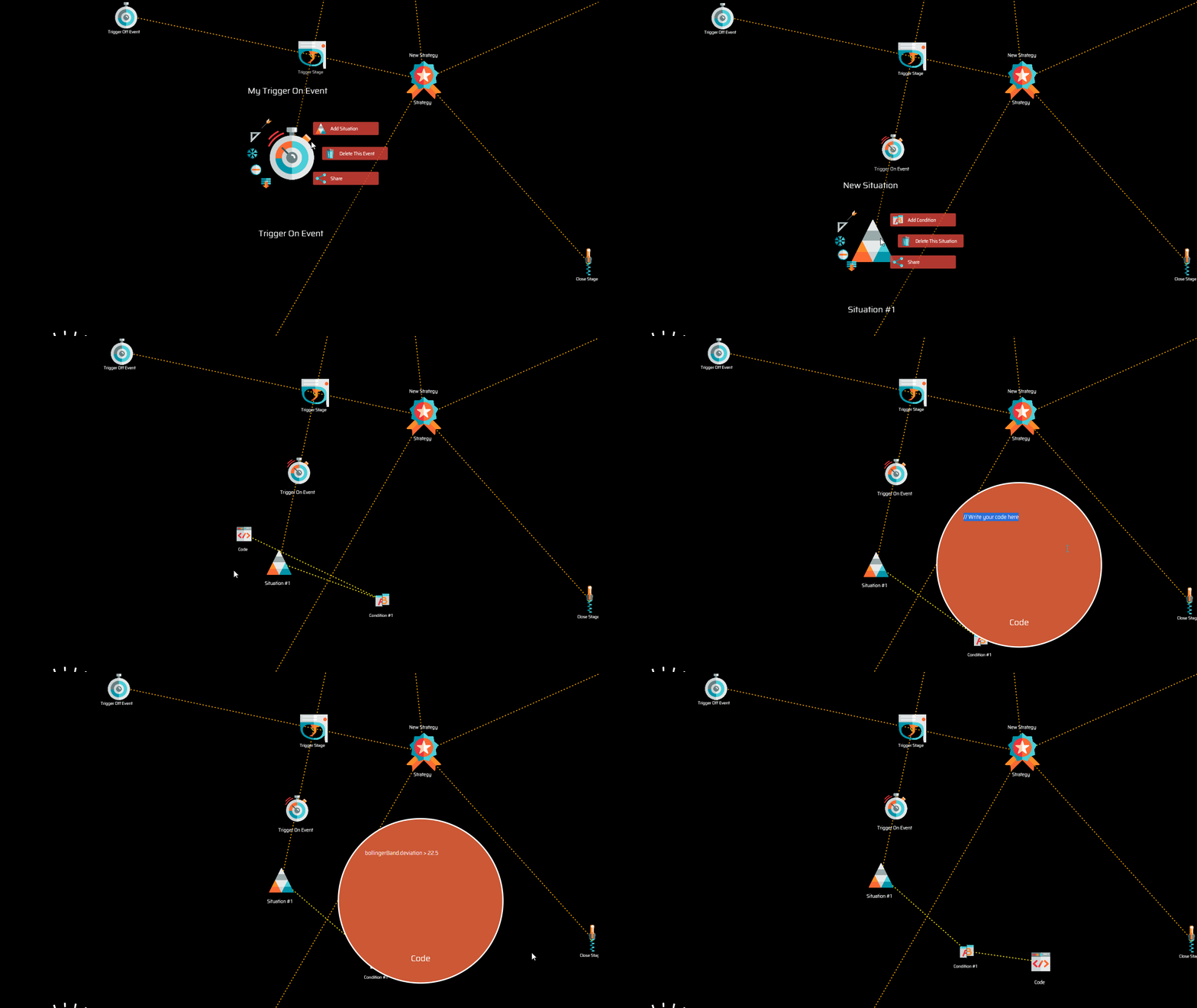
- Superalgos: An open-source platform combining data mining, visual strategy design, backtesting, and deployment. Its visual interface makes it accessible for users without deep coding experience. Discover Superalgos.
- Hummingbot: A Python-based framework for building and deploying bots across multiple exchanges, with pre-built strategies like market making and arbitrage. Highly customizable for advanced users. Visit Hummingbot.
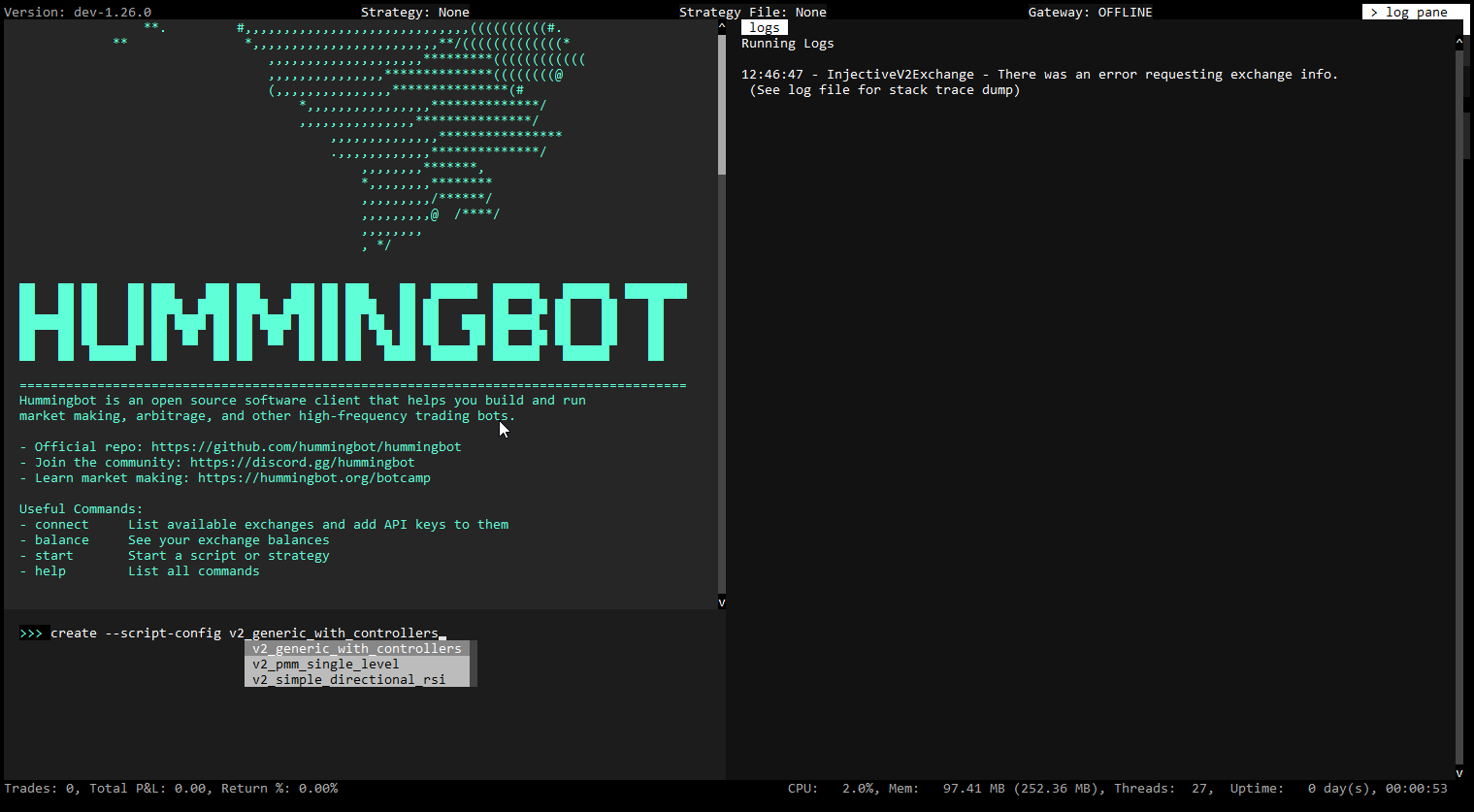
The landscape is rich with choices - each platform caters to different user profiles. Here are some standouts:
- Freqtrade: Python-based, feature-rich, supports multi-exchange connectivity and machine learning-powered strategy optimization. Ideal if you want full control over your bot’s logic.
- OpenTrader: Easy installation via NPM, robust UI for managing bots across 100 and exchanges using CCXT. Includes paper trading mode for risk-free testing.
- Jesse: Streamlined Python framework focused on clarity in strategy development and backtesting. Great for algorithmic traders who value simplicity.
- Superalgos: Visual builder perfect for non-coders; offers drag-and-drop strategy design plus integrated data mining tools.
- Hummingbot: Flexible Python framework with pre-built templates (market making/arbitrage) and deep exchange support for both CEXs and DEXs.
Your Roadmap: Building a Custom Crypto Trading Bot from Scratch
No matter which platform you choose, the journey to building your own bot follows a logical sequence. Let’s break down the essential steps so you can confidently move from idea to live deployment:
Step-by-Step Guide: Setting Up an Open Source Crypto Trading Bot with Custom Strategies

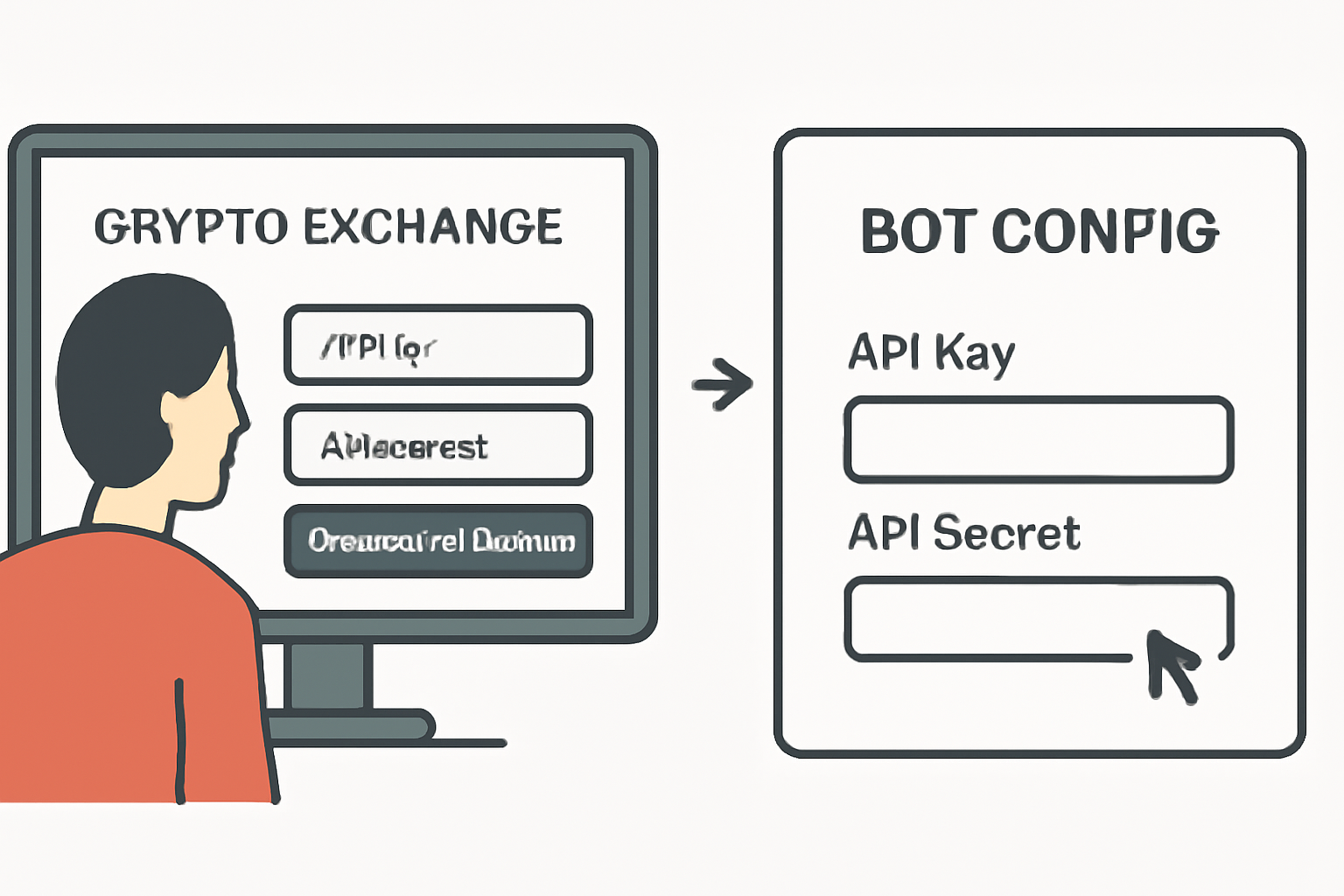


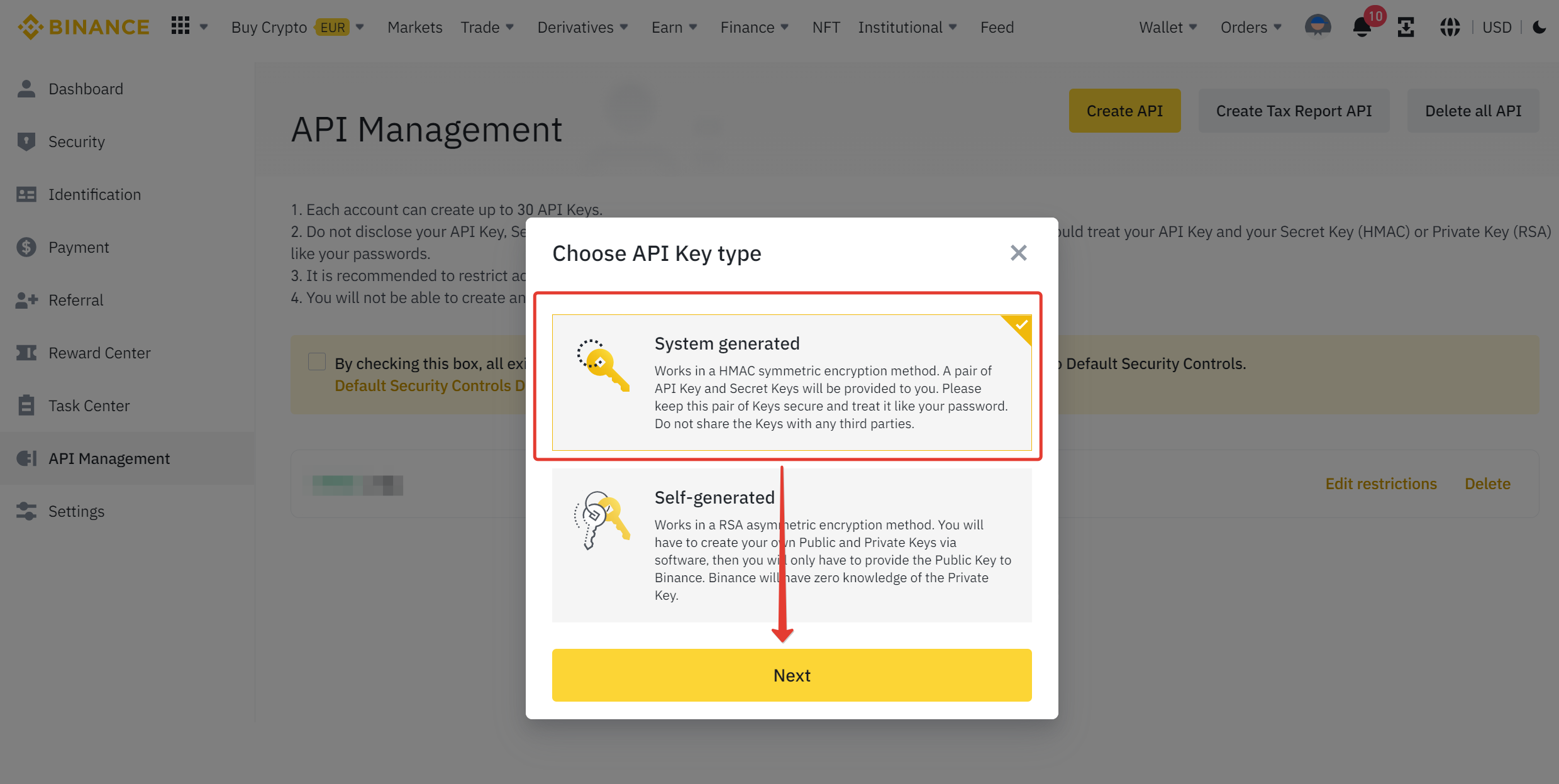
You’ll start by defining your objectives - what assets will you trade? What timeframes suit your risk appetite? Next comes environment setup: installing dependencies (Python or Node. js), configuring API keys for exchanges like Binance or Bybit, and ensuring secure storage of credentials.
The heart of automation lies in developing or customizing strategies. Most frameworks let you code in Python or JavaScript; some even provide visual editors for non-coders. Once ready, rigorous backtesting against historical data is critical before risking capital in live markets.
Finally, deploy your bot on a VPS or cloud server so it can run 24/7 - but remember: continuous monitoring is key as market conditions evolve rapidly!
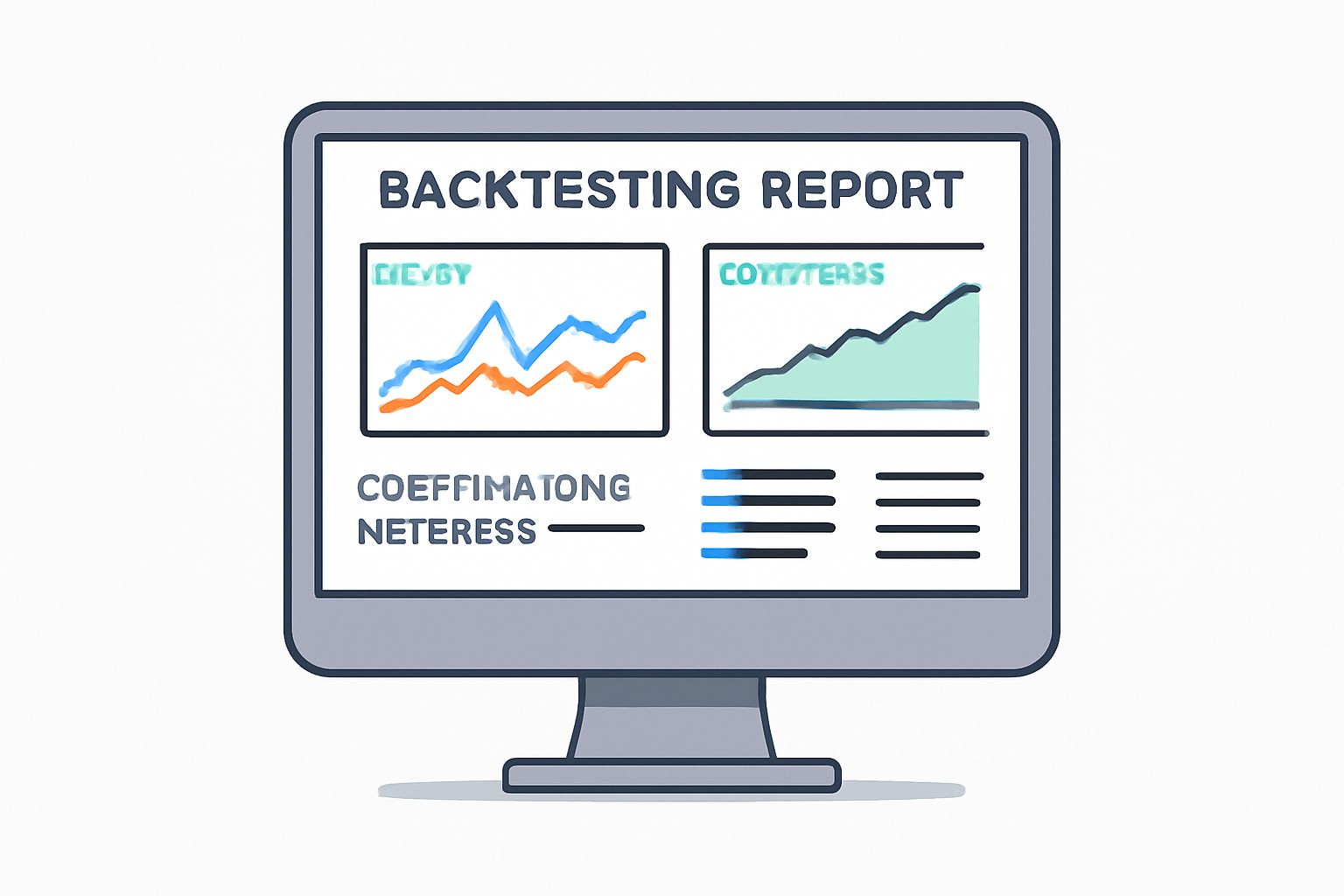
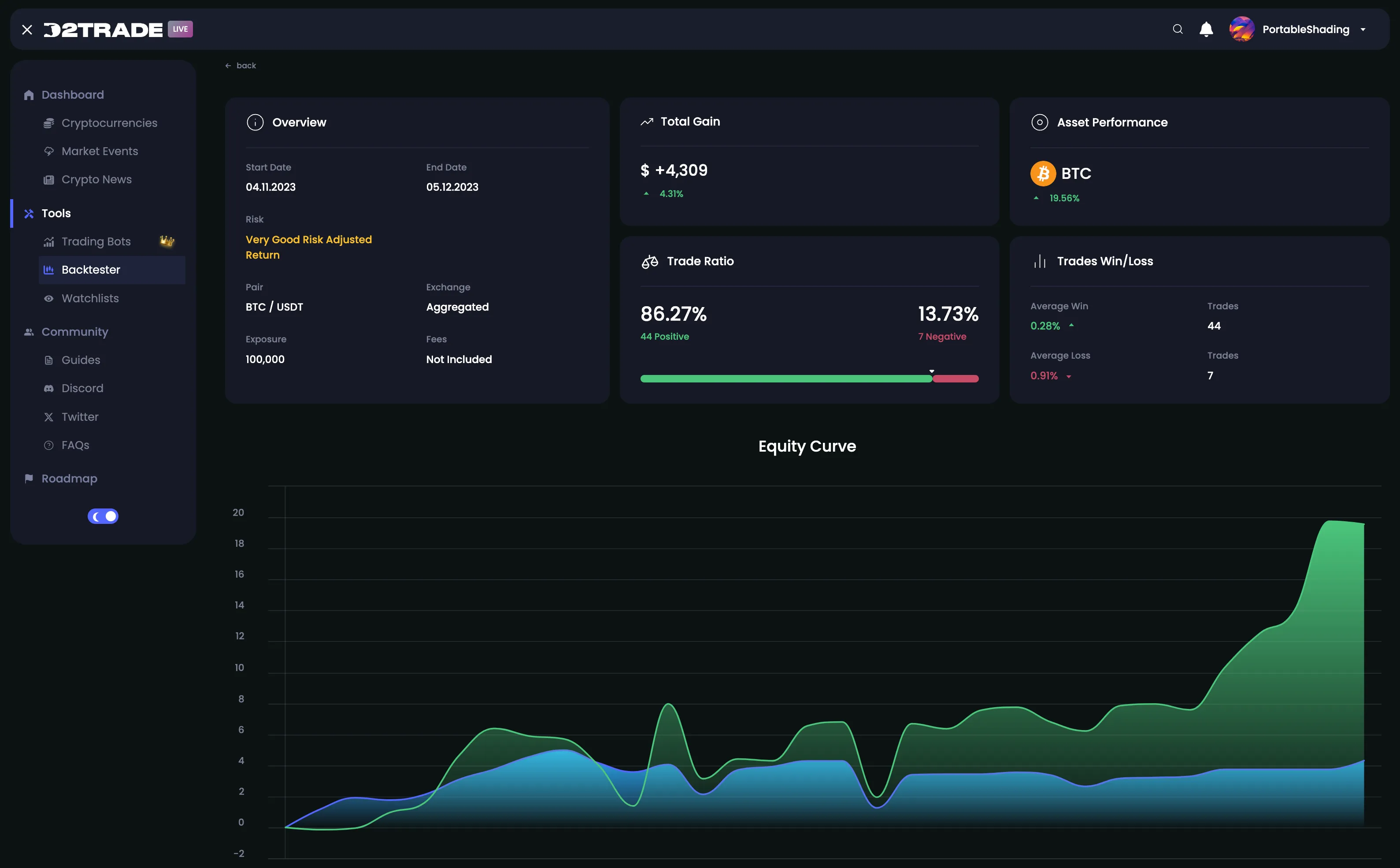
Backtesting is where theory meets reality. Open source crypto trading bots like Freqtrade and Jesse offer robust backtesting engines that let you simulate your strategies against years of historical price action. This step is non-negotiable: it’s your best defense against costly surprises once you go live. Look for frameworks that allow walk-forward testing, parameter optimization, and visualization of drawdowns and equity curves.
Best Practices for Crypto Bot Deployment
Once you’ve validated your strategy, it’s time to deploy. But even the smartest code can’t predict black swan events or sudden exchange outages. Here are some essential practices for running your bot safely and efficiently:
Best Practices for Deploying & Monitoring Crypto Trading Bots
- Thoroughly Backtest Your Strategies Before DeploymentUse your bot’s backtesting tools (such as those in Freqtrade or Jesse) to simulate performance on historical data. This helps identify weaknesses and avoid costly mistakes in live markets.
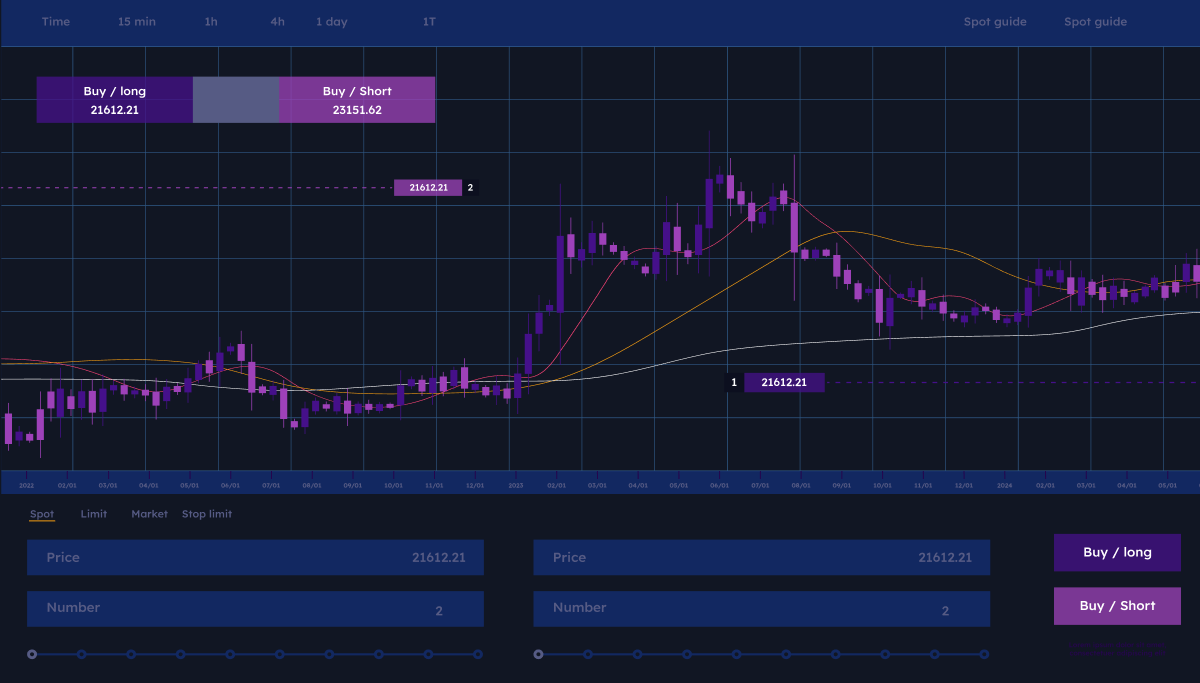
- Start with Paper TradingLeverage paper trading features (offered by OpenTrader and Superalgos) to test your strategies in real-time without risking actual funds, ensuring your bot behaves as expected under current market conditions.
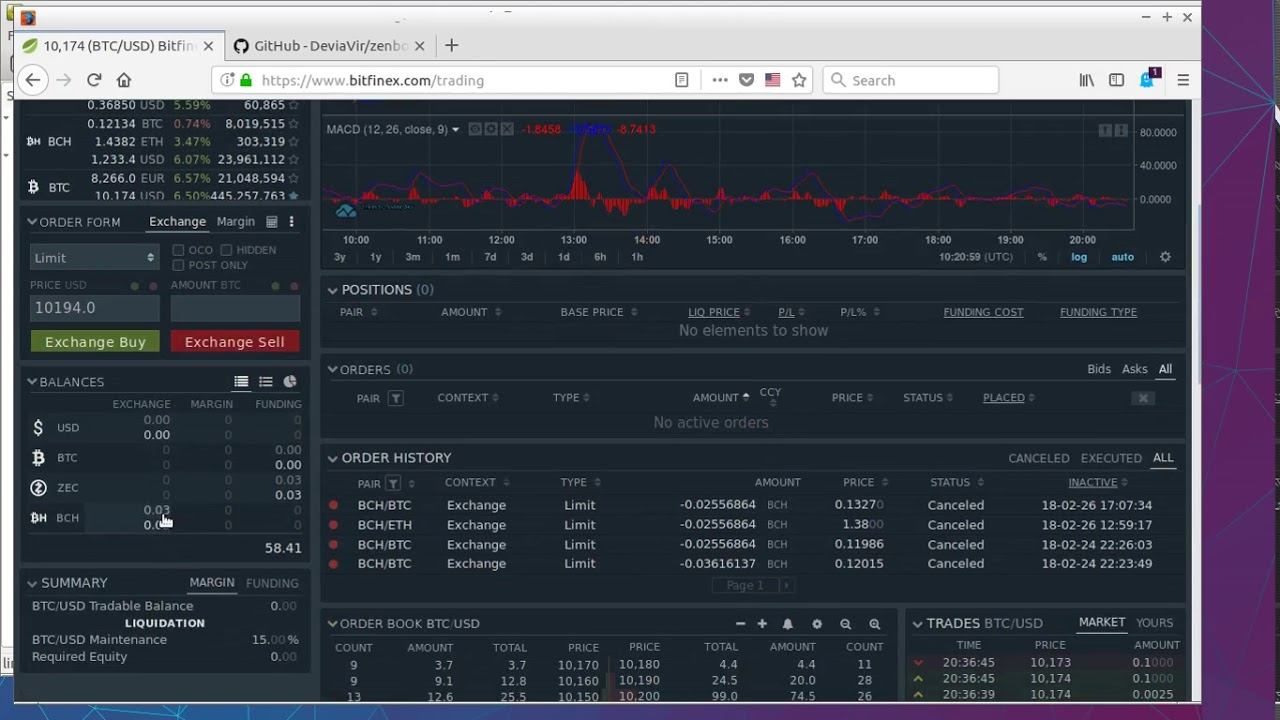
- Secure API Keys and Sensitive DataAlways store exchange API keys securely using environment variables or encrypted vaults. Never hard-code sensitive credentials in your bot’s codebase.
- Monitor Bot Activity ContinuouslySet up real-time notifications via Telegram, Discord, or email (supported by Freqtrade and Hummingbot) to stay informed about trades, errors, or unexpected behavior.
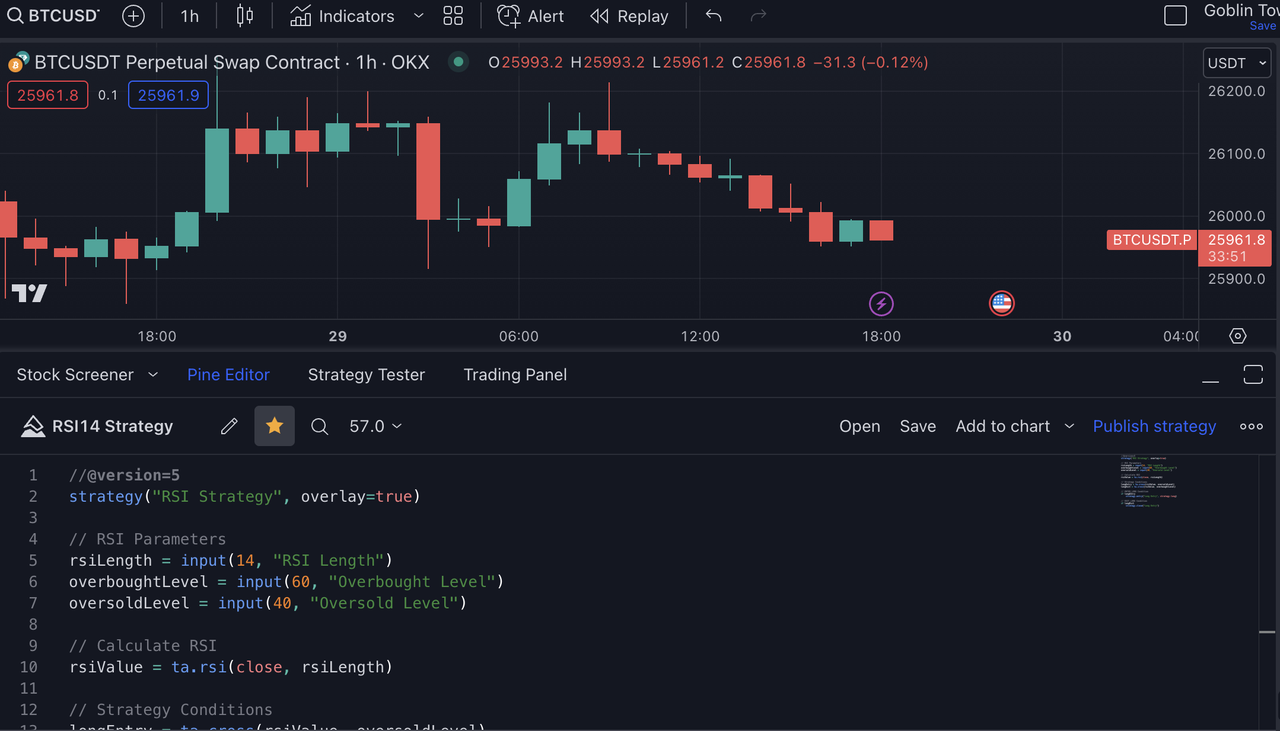
- Implement Risk Management ControlsConfigure stop-loss, take-profit, and position size limits within your bot’s settings to protect your capital from large, unexpected losses.

- Keep Your Bot and Dependencies UpdatedRegularly update your trading bot platform and its dependencies to patch security vulnerabilities and access new features. Follow official GitHub repositories for updates (Freqtrade, OpenTrader, etc.).
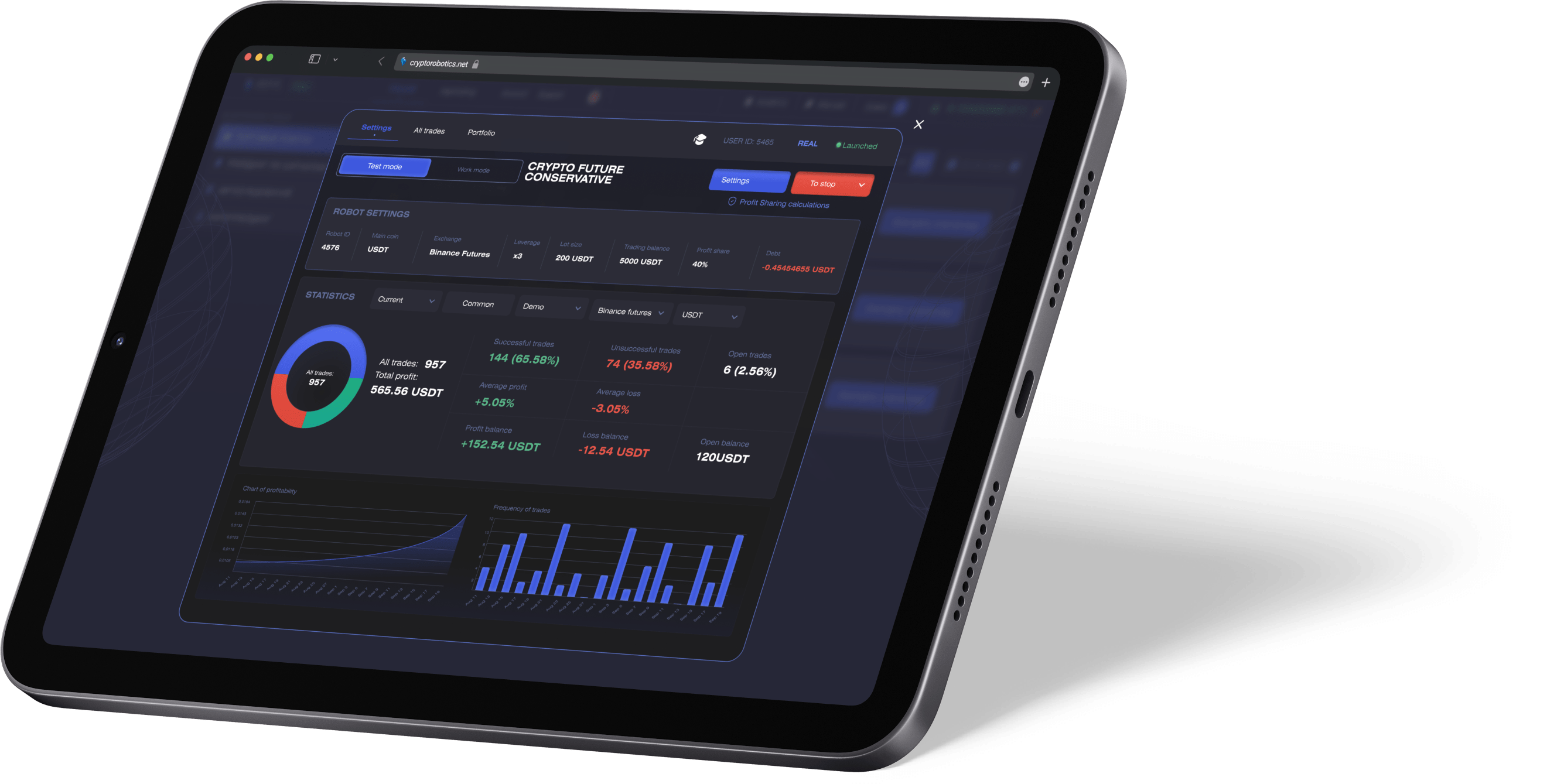
- Use Robust Logging and AnalyticsEnable detailed logging and analytics (available in Superalgos and Jesse) to track performance, debug issues, and optimize strategies over time.
- Deploy on Reliable InfrastructureHost your bot on stable servers or cloud platforms with high uptime to avoid missed trades and downtime. Consider using VPS providers or managed cloud services for added reliability.

Security first: Always use API keys with withdrawal permissions disabled. Store credentials in encrypted vaults or environment variables rather than plaintext files.
Monitor performance: Set up real-time alerts via Telegram, Slack, or email to catch errors or unexpected trades. Many platforms offer web dashboards for at-a-glance tracking.
Stay updated: Open source projects evolve quickly, regularly update your bot to patch vulnerabilities and benefit from new features contributed by the community.
Diversify strategies: Don’t put all your capital behind a single approach. Running multiple bots with different logic can help smooth out returns across market cycles.
Customization: The Edge of Open Source
The true power of open source lies in its adaptability. Want to integrate an on-chain oracle for DeFi signals? Or perhaps you’d like to blend technical indicators with sentiment analysis from Twitter? With platforms like Superalgos and Freqtrade, you’re free to experiment without vendor lock-in.
If you’re trading on Binance or Bybit, look for frameworks that offer native support or easy integration (e. g. , via CCXT). This ensures smoother order execution and access to the latest trading pairs, crucial as new assets emerge in the fast-moving crypto landscape.
Community Wisdom: Learning from Fellow Builders
The open source ethos thrives on shared knowledge. Don’t hesitate to dive into Discord channels, GitHub issues, or Reddit threads dedicated to platforms like Hummingbot and OpenTrader. You’ll find code snippets, troubleshooting tips, and battle-tested strategies generously shared by experienced builders.
Is Automated Trading Right For You?
No bot is truly set-and-forget, markets shift, liquidity dries up, correlations break down. But if you’re willing to invest time in learning, testing, and iterating, automated trading can give you a significant edge over manual execution alone.
Your Next Steps
- Start small: Paper trade before risking real capital.
- Iterate often: Use backtesting results to refine strategies continuously.
- Engage the community: Collaboration accelerates learning, and helps spot risks before they become costly lessons.
The future of portfolio management belongs to those who leverage both human insight and machine consistency. Open source crypto trading bots put those tools within reach, whether you’re optimizing yield on DeFi protocols or executing high-frequency trades on Binance at scale.
Ready to start building? Pick a framework that fits your style, and remember: the best traders don’t just automate what works today; they build systems ready for tomorrow’s opportunities.




No comments yet. Be the first to share your thoughts!